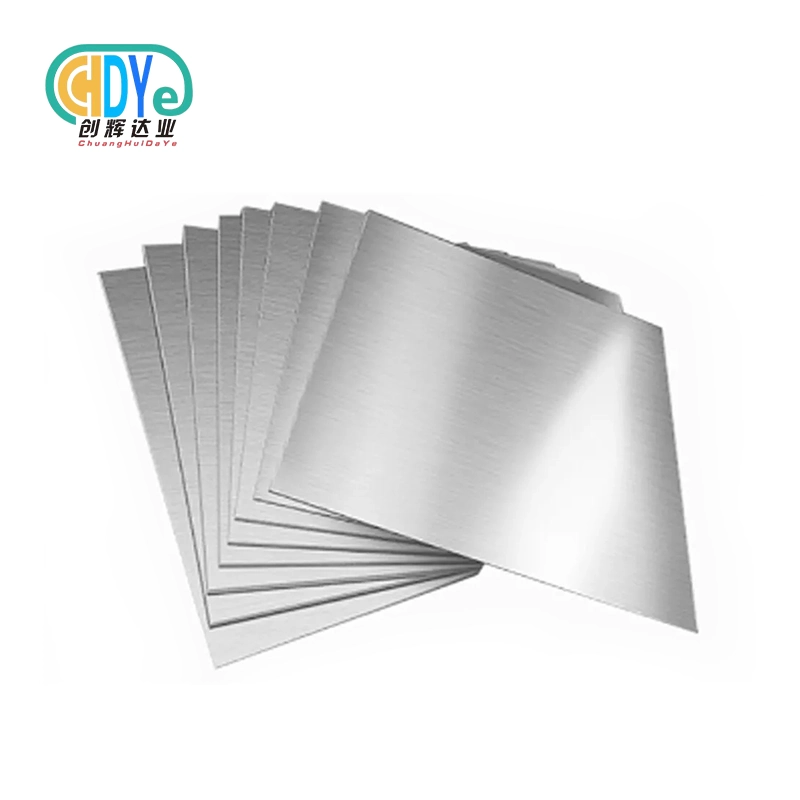
Grade 5 titanium alloy sheet stands as the most versatile and widely adopted titanium material in high-performance engineering applications. Known scientifically as Ti-6Al-4V, this exceptional alloy combines 90% titanium with 6% aluminum and 4% vanadium, creating an unmatched balance of strength, weight, and corrosion resistance. From aerospace components to medical implants, grade 5 titanium alloy sheet delivers superior performance across demanding industrial applications where conventional materials fall short.

Why Grade 5 Titanium Alloy Sheet Dominates High-Performance Engineering?
Modern designing requests materials that can withstand extraordinary conditions whereas keeping up auxiliary judgment. Review 5 titanium combination sheet develops as the favored choice since it offers remarkable strength-to-weight proportions that outperform steel and aluminum options. This aerospace-grade fabric shows momentous weariness resistance, empowering components to persevere millions of push cycles without failure.
The interesting properties of Ti-6Al-4V combination make it crucial in applications where execution cannot be compromised. Its biocompatible nature opens entryways in restorative gadget fabricating, whereas its erosion resistance demonstrates important in chemical preparing situations. Engineers reliably select this high-strength titanium for ventures requiring long-term unwavering quality and negligible maintenance.
Selection Criteria for Premium Grade 5 Titanium Applications
Selecting the optimal grade 5 titanium alloy sheet requires careful evaluation of several critical factors. Material purity stands paramount for grade 5 titanium alloy sheet, as even minor impurities can significantly impact performance in aerospace and medical applications. Fabricating forms must meet exacting quality benchmarks, counting legitimate warm treatment and surface wrapping up techniques.
Traceability documentation gets to be fundamental when sourcing titanium sheet materials. Total process test certificates give confirmation of chemical composition, mechanical properties, and fabricating forms. Providers must illustrate ISO 9001:2015 certification to guarantee reliable quality control all through generation cycles.
Cost-effectiveness plays a significant part in fabric choice, especially for large-scale fabricating ventures. Coordinate sourcing from set up producers like Chuanghui Daye regularly gives superior estimating whereas keeping up quality measures. Lead times and supply chain unwavering quality moreover impact determination choices, particularly for time-sensitive designing projects.
Aerospace Applications: Where Performance Meets Innovation?
Aerospace producers depend intensely on review 5 titanium combination sheet for basic basic components. Airplane motor parts, counting turbine edges and compressor circles, advantage from titanium's extraordinary high-temperature execution and lightweight characteristics. The fabric keeps up quality at temperatures surpassing 400°C, making it perfect for fly motor applications.
Airframe development utilizes titanium plate materials in ranges requiring greatest quality with negligible weight expansion. Landing equip components, wing structures, and fuselage boards consolidate Ti-6Al-4V combination to accomplish ideal fuel effectiveness. The material's weariness resistance guarantees these components withstand rehashed stretch cycles all through flying machine benefit life.
Defense Industry Applications
Military applications request materials competent of withstanding extraordinary conditions and combat situations. Armor plating created from review 5 titanium gives predominant ballistic security whereas decreasing by and large vehicle weight. Rocket components and shuttle structures depend on titanium's unwavering quality in unforgiving air conditions.
Satellite and Space Technology
Space investigation ventures utilize lightweight metal arrangements to minimize dispatch costs whereas maximizing payload capacity. Partisan outlines, recieving wire structures, and warm shields join aviation materials that stand up to radiation harm and temperature extremes. The vacuum of space presents no erosion concerns for appropriately handled titanium components.
Commercial Aviation Growth
The extending commercial flying showcase drives expanded request for effective aviation review combination materials. Next-generation airplane plans join more titanium components to accomplish superior fuel economy and decreased outflows. Motor producers proceed creating modern applications for high-strength titanium in interest of made strides execution metrics.
Medical Device Manufacturing: Biocompatibility Excellence
Medical device manufacturers prioritize biocompatible titanium for implantable devices and surgical instruments for grade 5 titanium alloy sheet. Hip and knee substitution components utilize review 5 titanium's fabulous integration with human bone tissue. The material's non-toxic nature and erosion resistance anticipate antagonistic responses in organic environments.
Dental inserts speak to another noteworthy application region where titanium machining exactness gets to be basic. The material's osseointegration properties empower secure connection to jawbone structures. Surgical disobedient created from Ti-6Al-4V combination give specialists with lightweight, strong apparatuses that stand up to sterilization damage.
Cardiovascular gadgets, counting stents and valve components, advantage from titanium's adaptability and quality characteristics. The material's radiolucent properties permit clear therapeutic imaging whereas embedded. Custom titanium creation empowers patient-specific arrangements for complex restorative procedures.
Chemical and Petrochemical Industry Solutions
Corrosion resistance makes review 5 titanium important in chemical handling applications. Warm exchangers, reactor vessels, and pipeline frameworks utilize titanium's resistance to most acids and chemical compounds. The fabric keeps up auxiliary judgment in situations that quickly corrupt stainless steel and other routine alloys.
Petrochemical refining operations consolidate titanium components in ranges uncovered to sulfur compounds and acidic conditions. Refining columns, catalyst bolsters, and partition hardware advantage from titanium's life span and unwavering quality. The material's non-contaminating properties protect item immaculateness in touchy chemical processes.
Desalination plants around the world depend on titanium plate materials for seawater dealing with frameworks. The material's uncommon resistance to chloride erosion guarantees decades of solid operation. Support costs diminish essentially when titanium components supplant customary materials in marine environments.
Electronics and Semiconductor Applications
High-tech manufacturing utilizes grade 5 titanium in semiconductor production equipment and electronic component fabrication. The material's thermal stability and electrical properties make it suitable for vacuum chamber construction and ion implantation systems. Titanium welding techniques enable complex geometries required in advanced manufacturing processes.
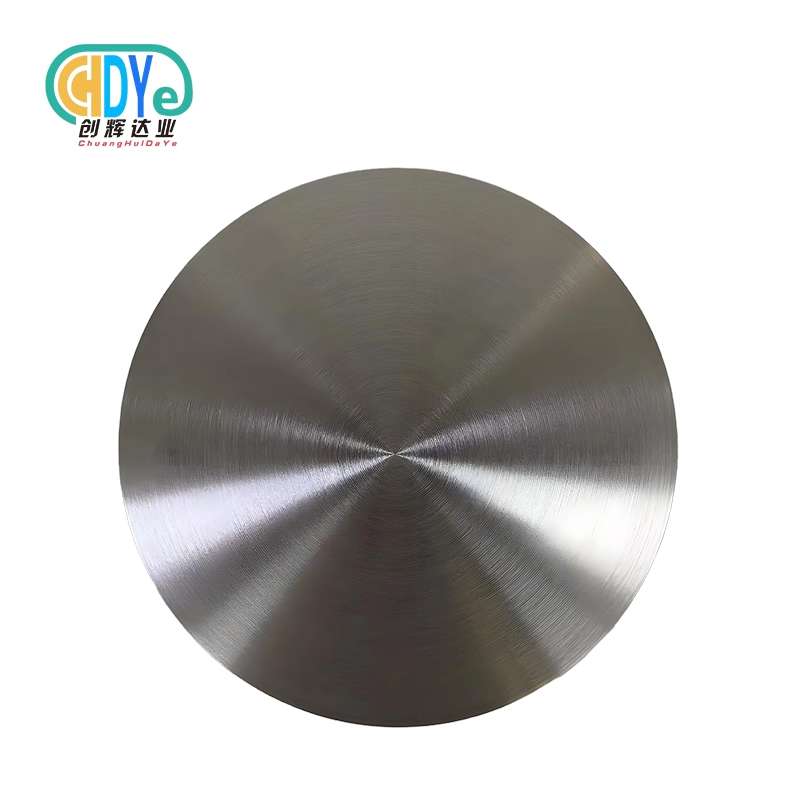
Sputtering targets manufactured from high-purity titanium enable thin-film deposition in microelectronics production. The material's consistent composition ensures uniform coating thickness and properties. Advanced surface treatment techniques enhance titanium's performance in specialized electronic applications.
Market Characteristics and Global Demand Trends
The worldwide titanium market continues expanding as industries recognize the material's superior performance characteristics. North American aerospace manufacturers drive significant demand for certified titanium suppliers. European automotive companies increasingly adopt lightweight solutions to meet emissions regulations.
Asian markets, particularly in electronics and medical device sectors, show rapid growth in titanium consumption. Supply chain diversification becomes crucial as manufacturers seek reliable sources beyond traditional suppliers. Quality standards harmonization across international markets facilitates global trade in titanium products.
Emerging applications in renewable energy and automotive sectors promise continued market expansion. Wind turbine components and electric vehicle parts increasingly incorporate titanium materials. The material's recyclability aligns with sustainability goals driving industrial decision-making.
Manufacturing and Processing Capabilities
Advanced metal fabrication techniques enable complex titanium component production for diverse applications. Computer-controlled machining centers achieve tight tolerances required in aerospace and medical applications. Precision cutting technologies minimize material waste while maintaining edge quality.
Heat treatment processes optimize mechanical properties for specific application requirements. Annealing cycles relieve internal stresses and improve ductility for forming operations. Specialized furnaces provide controlled atmospheres preventing contamination during thermal processing.
Quality control systems ensure each titanium sheet meets specified requirements. Ultrasonic testing detects internal defects that could compromise component integrity. Coordinate measuring machines verify dimensional accuracy throughout manufacturing processes.
Purchasing Recommendations and Considerations
Successful titanium procurement for grade 5 titanium alloy sheet requires partnering with experienced suppliers who understand application-specific requirements. Evaluate potential suppliers based on certification credentials, manufacturing capabilities, and quality control systems. Request detailed mill test certificates and material traceability documentation for critical applications.
Consider total cost of ownership rather than initial material pricing alone. Superior quality titanium often provides better long-term value through extended service life and reduced maintenance requirements. Establish clear specifications for material properties, dimensions, and surface finishes to avoid costly misunderstandings.
Plan procurement schedules to accommodate titanium's longer lead times compared to conventional materials. Maintain safety stock levels for critical applications where supply interruptions could prove costly. Develop relationships with multiple qualified suppliers to ensure supply chain resilience.
Industry Trends and Summary
The grade 5 titanium market continues evolving as new applications emerge across industries. Additive manufacturing technologies enable complex geometries previously impossible with conventional machining. Sustainability concerns drive increased titanium recycling efforts, reducing environmental impact. Advanced alloy development promises even better performance characteristics for future applications. Market growth projections indicate sustained demand expansion across aerospace, medical, and industrial sectors through the next decade.
Conclusion
Grade 5 titanium alloy sheet remains the premier choice for high-performance engineering applications requiring exceptional strength, corrosion resistance, and reliability. From aerospace structural components to life-saving medical implants, this versatile material delivers unmatched performance across demanding environments. Success in titanium procurement depends on partnering with experienced suppliers who understand quality requirements and application-specific needs. The material's proven track record and expanding application portfolio ensure continued relevance in advanced manufacturing sectors. Investment in premium grade 5 titanium solutions provides long-term value through superior performance and extended service life.
FAQ
Q: What makes grade 5 titanium superior to other titanium alloys?
A: Grade 5 titanium offers the best combination of strength, ductility, and weldability among titanium alloys. Its 6% aluminum and 4% vanadium content provides higher strength than pure titanium grades while maintaining excellent corrosion resistance and biocompatibility.
Q: Can grade 5 titanium alloy sheet be welded easily?
A: Yes, Ti-6Al-4V alloy exhibits excellent weldability using proper techniques and inert gas shielding. Argon atmosphere protection prevents contamination during welding processes. Skilled welders can achieve high-quality joints suitable for critical applications.
Q: How does grade 5 titanium perform in high-temperature environments?
A: This aerospace material maintains its strength properties at temperatures up to 400°C (752°F), making it ideal for engine components and industrial applications. Proper heat treatment can optimize performance for specific temperature ranges.
Partner with Chuanghui Daye for Premium Grade 5 Titanium Solutions
Chuanghui Daye stands ready to fulfill your grade 5 titanium alloy sheet requirements with over 30 years of rare metal industry expertise. Our ISO 9001:2015 certified facility in China's Titanium Capital produces high-quality materials meeting international standards. Whether you need standard sheets or custom titanium fabrication, our experienced team provides technical support and competitive pricing. Connect with our grade 5 titanium alloy sheet supplier team to discuss your project specifications and delivery requirements. Reach out today at info@chdymetal.com to discover how our premium titanium solutions can enhance your engineering applications.