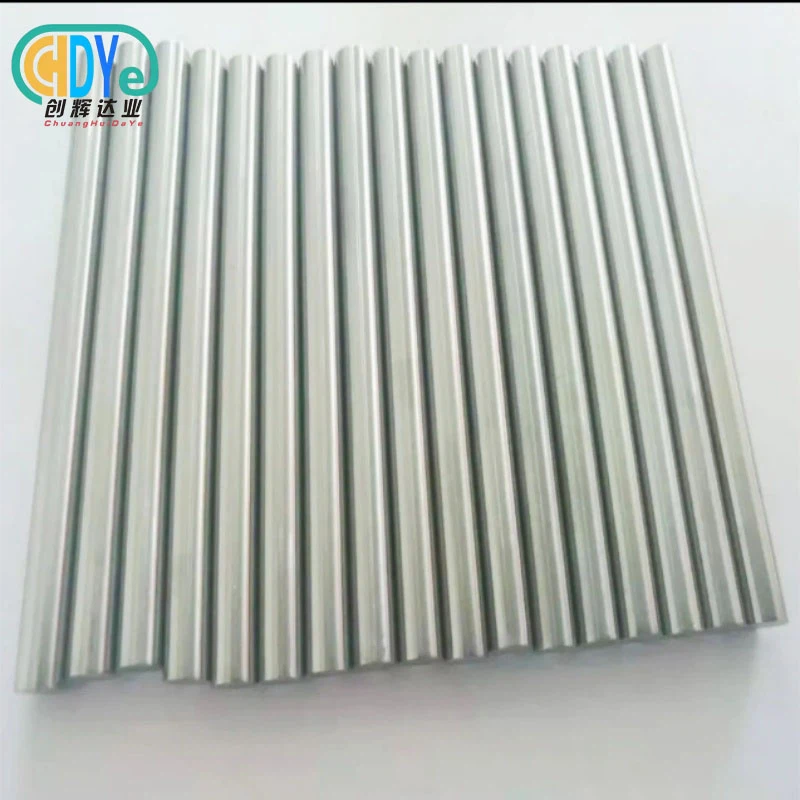
Titanium wire for anodizing stands out as the superior choice because it combines exceptional corrosion resistance, excellent electrical conductivity, and remarkable durability in demanding electrochemical environments. Unlike conventional materials that degrade under harsh anodizing conditions, titanium maintains its structural integrity while delivering consistent performance. The unique oxide layer that forms naturally on titanium surfaces enhances its compatibility with anodizing processes, ensuring reliable results across various industrial applications. This combination of properties makes titanium wire the preferred material for professionals seeking long-term performance and cost-effectiveness in their anodizing operations.
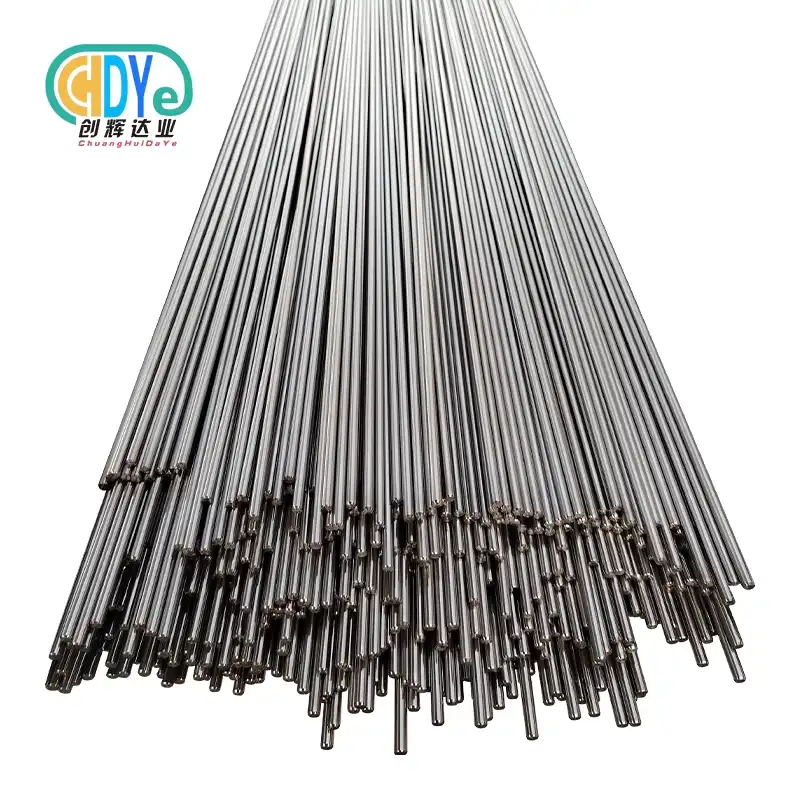
Why Titanium Wire Dominates Anodizing Applications?
The anodizing industry has seen a critical move toward specialized materials that can withstand progressively requesting operational necessities. Present day fabricating forms require materials that convey steady execution whereas keeping up cost-effectiveness over expanded periods. Titanium wire has developed as the authoritative arrangement for these challenges, advertising unmatched unwavering quality in electrochemical applications.
The developing complexity of anodizing operations over aviation, restorative gadget fabricating, and exactness gadgets has made a require for materials that surpass conventional execution measures. Customary wires frequently fall flat beneath the stretch of forceful chemical situations, driving to exorbitant downtime and quality issues. Titanium's special metallurgical properties address these concerns specifically, giving producers with a reliable establishment for their anodizing processes.
Understanding the basic part that wire choice plays in anodizing victory makes a difference clarify why driving companies around the world have transitioned to titanium-based arrangements. The material's demonstrated track record in requesting applications illustrates its esteem recommendation for organizations prioritizing operational excellence.
Essential Selection Criteria for Premium Anodizing Wire
When assessing materials for anodizing applications, a few basic components decide long-term victory and cost-effectiveness. Execution beneath extraordinary conditions positions as the essential thought, as anodizing situations uncover materials to forceful chemicals, shifting temperatures, and electrical stretch. The capacity to keep up reliable electrical conductivity all through expanded operational cycles specifically impacts handle unwavering quality and item quality.
Chemical compatibility represents another important selection criterion for titanium wire for anodizing. The wire must stand up to debasement when uncovered to acidic arrangements, antacid situations, and different electrolytes commonly utilized in anodizing forms. Fabric virtue moreover plays a imperative part, as contaminants can present factors that compromise surface wrap up quality and prepare repeatability.
Economic variables impact determination choices essentially. Whereas starting fabric costs matter, add up to fetched of possession incorporates substitution recurrence, upkeep prerequisites, and prepare downtime. The most cost-effective arrangement equalizations forthright speculation with long-term operational benefits. Provider unwavering quality and specialized back capabilities moreover affect the by and large esteem recommendation, especially for companies working in requesting generation environments.
Grade 2 Commercially Pure Titanium Wire
Grade 2 titanium speaks to the most flexible alternative for common anodizing applications, advertising an ideal adjust of execution characteristics and cost-effectiveness. This commercially immaculate titanium contains negligible alloying components whereas keeping up fabulous erosion resistance and formability. The material's microstructure gives reliable electrical properties that stay steady all through amplified anodizing cycles.
Key points of interest of Review 2 titanium wire include:
- Outstanding erosion resistance in acidic and soluble environments
- Excellent formability for complex wire configurations
- Consistent electrical conductivity over temperature ranges
- Cost-effective arrangement for high-volume applications
- Proven compatibility with standard anodizing chemicals
The fabricating prepare for Review 2 titanium wire includes cautious control of debasement levels, especially oxygen, nitrogen, and press substance. These components altogether impact the material's mechanical properties and anodizing execution. Quality producers keep up strict compositional controls to guarantee batch-to-batch consistency.
Applications for Review 2 titanium wire span various businesses, counting chemical handling gear, marine equipment anodizing, and common fabricating applications where solid execution things more than extraordinary quality necessities. The material's biocompatibility moreover makes it reasonable for therapeutic gadget applications requiring anodized surfaces.
Surface arrangement methods for Review 2 titanium wire specifically affect anodizing comes about. The normal oxide layer that shapes on titanium surfaces can be altered through controlled cleaning and carving forms to optimize grip and surface wrap up quality. Understanding these arrangement strategies makes a difference producers accomplish reliable comes about over generation runs.
Grade 5 Ti-6Al-4V High-Strength Alloy Wire
Grade 5 titanium amalgam speaks to the premium choice for requesting anodizing applications where prevalent mechanical properties are basic. The expansion of 6% aluminum and 4% vanadium makes a fabric with remarkable strength-to-weight proportion whereas keeping up the erosion resistance that makes titanium important for anodizing applications.
Superior execution characteristics of Review 5 include:
- Ultimate ductile quality surpassing 130 ksi (900 MPa)
- Enhanced weariness resistance for cyclic stacking applications
- Improved high-temperature execution capabilities
- Excellent dimensional solidness amid warm cycling
- Superior wear resistance in grating environments
The microstructure of Review 5 titanium comprises of alpha and beta stages that contribute to its upgraded mechanical properties. This dual-phase structure moreover impacts the anodizing behavior, making openings for interesting surface medications and color improvement. The alloy's reaction to warm treatment permits producers to tailor properties for particular applications.
Aerospace and defense applications as often as possible indicate Review 5 titanium wire for anodizing operations including basic components. The material's demonstrated execution in extraordinary situations, combined with its capacity to keep up surface judgment after anodizing, makes it irreplaceable for applications where disappointment is not satisfactory. Restorative embed producers moreover depend on Review 5 for components requiring both quality and biocompatibility.
Processing contemplations for Review 5 titanium wire incorporate cautious temperature control amid anodizing operations. The alloy's warm properties contrast from commercially unadulterated grades, requiring balanced prepare parameters to accomplish ideal comes about. Experienced providers give nitty gritty handling rules to offer assistance producers optimize their anodizing operations.
Specialized Titanium Wire Configurations
Modern anodizing applications often require customized wire configurations that standard products cannot address effectively. Specialized titanium wire forms include braided constructions, multi-strand cables, and precision-drawn profiles designed for specific electrochemical applications. These configurations offer unique advantages in complex anodizing setups where standard round wire proves inadequate.
Custom configuration options include:
- Braided titanium cables for enhanced flexibility and current distribution
- Rectangular and square cross-sections for specific geometric requirements
- Multi-core designs combining different titanium grades
- Surface-textured wires for improved electrolyte interaction
- Precision-tolerance products for automated handling systems
The manufacturing of specialized titanium wire configurations requires advanced processing capabilities and extensive quality control measures. Cold working processes must be carefully controlled to prevent work hardening that could compromise the wire's anodizing performance. Heat treatment schedules are often customized to achieve specific property targets.
Applications for specialized titanium wire configurations span from semiconductor manufacturing equipment to large-scale chemical processing installations. Each application presents unique challenges that standard products cannot address effectively. Working with experienced manufacturers helps identify the optimal configuration for specific anodizing requirements.
Quality assurance for specialized configurations involves comprehensive testing protocols that verify both mechanical properties and anodizing performance. This includes electrical conductivity measurements, surface finish analysis, and compatibility testing with specific electrolyte systems. Documentation packages typically include detailed specifications and recommended processing parameters.
Global Market Dynamics and Regional Preferences
The worldwide market for anodizing materials reflects diverse regional preferences and regulatory requirements that influence material selection decisions. North American markets typically emphasize performance and reliability, driving demand for premium titanium grades with comprehensive documentation packages. European manufacturers often prioritize environmental compliance and sustainability, leading to increased interest in recyclable titanium products.
Asian markets demonstrate strong growth in electronics and semiconductor applications, creating demand for high-purity titanium wire with precise dimensional tolerances. The region's manufacturing focus on cost optimization drives interest in Grade 2 titanium for applications where premium alloys provide limited additional value. Quality certification requirements vary significantly across regions for titanium wire for anodizing, influencing supplier selection criteria.
Regulatory environments impact titanium wire selection through specifications for medical devices, aerospace components, and food processing equipment. FDA regulations in medical applications, AS/EN standards in aerospace, and various national specifications create complex requirements that manufacturers must navigate carefully. Understanding these requirements helps ensure compliance and market access.
Supply chain considerations vary globally, with transportation costs and delivery times influencing purchasing decisions. Regional suppliers offer advantages in responsiveness and technical support, while global suppliers may provide cost benefits for large-volume requirements. Political and economic factors also impact sourcing strategies for titanium materials.
Purchasing Recommendations and Implementation Guidelines
Successful titanium wire procurement requires careful evaluation of supplier capabilities, material specifications, and long-term support requirements. Begin by clearly defining your anodizing application requirements, including chemical exposure conditions, temperature ranges, and electrical performance specifications. This foundation enables effective communication with potential suppliers and ensures accurate material recommendations.
Supplier evaluation should encompass manufacturing capabilities, quality management systems, and technical support services. ISO 9001:2015 certification provides baseline quality assurance, while industry-specific certifications demonstrate specialized expertise. Request detailed material certificates and processing documentation to verify compliance with your requirements.
Sample evaluation programs allow testing of titanium wire under actual operating conditions before committing to large purchases. Develop test protocols that simulate your anodizing environment, including chemical exposure, thermal cycling, and electrical performance requirements. Document results carefully to support future purchasing decisions and process optimization efforts.
Consider establishing partnerships with suppliers who can provide ongoing technical support and process optimization assistance. The complexity of anodizing operations often reveals opportunities for performance improvements that experienced suppliers can identify and address. Long-term relationships also provide advantages in securing priority delivery and preferential pricing.
Industry Trends and Summary
The anodizing industry continues evolving toward higher performance standards and environmental sustainability, driving increased adoption of titanium-based solutions. Emerging applications in renewable energy, electric vehicle components, and advanced medical devices create new opportunities for anodized titanium wire applications. Manufacturing automation trends also favor materials like titanium that provide consistent performance and extended service life. The combination of superior technical properties, proven reliability, and growing application diversity positions titanium wire as the definitive choice for modern anodizing operations seeking competitive advantages through material excellence.
Conclusion
Selecting titanium wire for anodizing applications represents a strategic decision that impacts operational efficiency, product quality, and long-term costs. The unique combination of corrosion resistance, electrical conductivity, and mechanical properties that titanium provides cannot be matched by conventional materials. Whether choosing Grade 2 for general applications or Grade 5 for demanding environments, titanium wire delivers consistent performance that justifies the investment through reduced maintenance, extended service life, and superior results. The growing global demand across aerospace, medical, electronics, and chemical processing industries confirms titanium's position as the premier choice for professional anodizing operations.
FAQ
Q: What diameter range is available for titanium wire used in anodizing applications?
A: Titanium anodizing wire is typically available in diameters ranging from 0.1mm to 7mm, with some manufacturers offering specialized sizes outside this range for specific applications. The most commonly requested sizes fall between 0.5mm and 3mm for general anodizing operations, while precision electronics applications often require smaller diameters with tight tolerances.
Q: How does anodized titanium wire compare to other materials in terms of longevity?
A: Anodized titanium wire demonstrates exceptional longevity, often lasting 3-5 times longer than conventional materials in similar applications. The natural oxide layer that forms on titanium surfaces provides inherent protection against corrosion, while the anodizing process further enhances this protection. This extended service life significantly reduces replacement costs and maintenance downtime.
Q: Can titanium wire be anodized to achieve specific colors for identification purposes?
A: Yes, titanium wire oxidation through controlled anodizing processes can produce a wide range of colors including gold, blue, purple, and green. The anodizing titanium wire parameters such as voltage, time, and electrolyte composition determine the final color. These colored surfaces maintain the material's corrosion resistance while providing visual identification capabilities.
Partner with Chuanghui Daye for Premium Titanium Wire Solutions
Chuanghui Daye stands as your trusted titanium wire for anodizing supplier, bringing over 30 years of specialized expertise in rare metal manufacturing. Located in China's renowned "Titanium Capital" of Baoji, our company combines advanced manufacturing capabilities with rigorous quality control to deliver materials that exceed industry standards. Our ISO 9001:2015 certified facility ensures consistent quality across every production batch.
Our comprehensive titanium wire product range includes both Grade 2 commercially pure and Grade 5 Ti-6Al-4V alloy options, available in diameters from 0.2mm to 7mm with custom specifications available upon request. Each product undergoes thorough testing to verify anodized titanium wire properties, electrical conductivity, and corrosion resistance performance. Our technical team provides detailed processing recommendations to optimize your anodizing operations.
The advantages of choosing Chuanghui Daye extend beyond material quality to include responsive customer service, competitive factory-direct pricing, and reliable global delivery capabilities. Our engineering support helps customers optimize anodizing process parameters while our flexible production capabilities accommodate both prototype quantities and large-scale manufacturing requirements. Experience the difference that premium materials and professional service make in your anodizing operations by reaching out to contact us at info@chdymetal.com.
_1760923994993.jpg)