- English
- French
- German
- Portuguese
- Spanish
- Russian
- Japanese
- Korean
- Arabic
- Greek
- German
- Turkish
- Italian
- Danish
- Romanian
- Indonesian
- Czech
- Afrikaans
- Swedish
- Polish
- Basque
- Catalan
- Esperanto
- Hindi
- Lao
- Albanian
- Amharic
- Armenian
- Azerbaijani
- Belarusian
- Bengali
- Bosnian
- Bulgarian
- Cebuano
- Chichewa
- Corsican
- Croatian
- Dutch
- Estonian
- Filipino
- Finnish
- Frisian
- Galician
- Georgian
- Gujarati
- Haitian
- Hausa
- Hawaiian
- Hebrew
- Hmong
- Hungarian
- Icelandic
- Igbo
- Javanese
- Kannada
- Kazakh
- Khmer
- Kurdish
- Kyrgyz
- Latin
- Latvian
- Lithuanian
- Luxembou..
- Macedonian
- Malagasy
- Malay
- Malayalam
- Maltese
- Maori
- Marathi
- Mongolian
- Burmese
- Nepali
- Norwegian
- Pashto
- Persian
- Punjabi
- Serbian
- Sesotho
- Sinhala
- Slovak
- Slovenian
- Somali
- Samoan
- Scots Gaelic
- Shona
- Sindhi
- Sundanese
- Swahili
- Tajik
- Tamil
- Telugu
- Thai
- Ukrainian
- Urdu
- Uzbek
- Vietnamese
- Welsh
- Xhosa
- Yiddish
- Yoruba
- Zulu
Why Choose High Purity Niobium Bar Rod for Vacuum Systems?
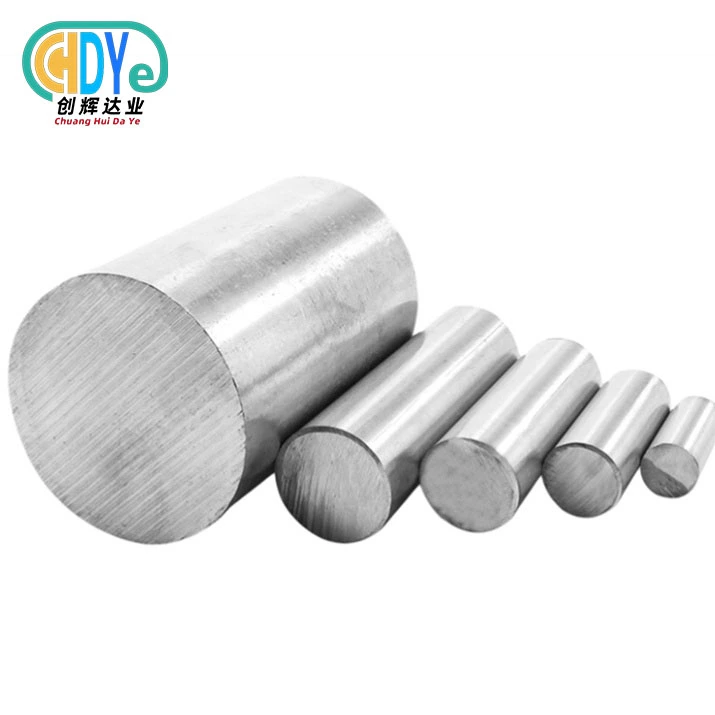
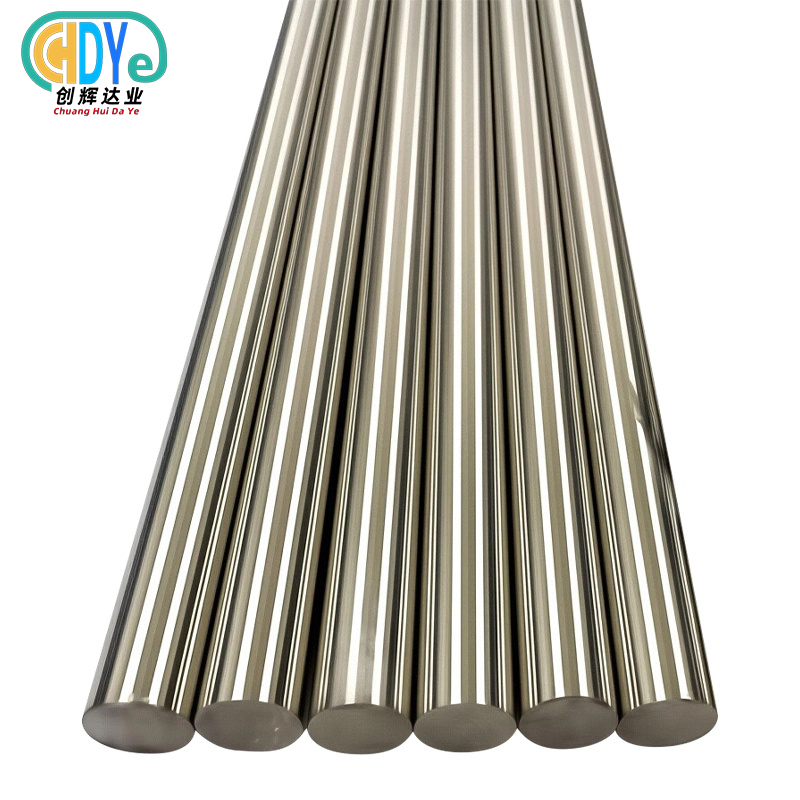
When the performance of the vacuum system cannot be sacrificed, the choice of materials is the decisive factor between dependable operation and catastrophic failure. High purity niobium bar rod is the material of choice for engineers and procurement specialists in the aerospace, semiconductor fabrication, nuclear energy, and medical device production industries. Niobium rod material has a melting temperature of 2,477°C, superb corrosion resistance, and a body-centered cubic crystal structure that can withstand high thermal cycling. Where other metals fail, niobium rod material gives constant, contamination-free performance. This tutorial will describe why purchasing certified niobium bar stock at 99.99% purity is a good and justified investment for your vacuum system architecture.
Understanding High Purity Niobium Bar Rod: Properties and Specifications
Physical and Chemical Profile
A 99.99% pure niobium rod has a density of 8.57g/cm3 and is structurally stable at temperatures that would destroy titanium or stainless steel. Its Residual Resistivity Ratio (RRR) is over 300, which means that there are few interstitial impurities: oxygen, nitrogen, hydrogen, and carbon, which are just what vacuum settings need. Niobium resists attack by nitric, hydrochloric, and sulfuric acids but is attacked by hydrofluoric acid. These qualities make it a good contender for high vacuum chambers, cryogenic superconducting systems and precision electronic components.
Grade Classifications and ASTM Standards
Our niobium bar rod meets the ASTM B392-95 international standard for unalloyed niobium and niobium alloy plate, sheet, strip, and bar. We provide two main grades:
- R04200 (Commercial Pure Niobium): Most suitable for structural and thermal applications where wide chemical resistance and formability are important. This grade is suitable for heat shields, aircraft structural components, and chemical processing parts.
- R04210 (Controlled Oxygen Content): With tighter interstitial control, this alloy is particularly suited for superconducting radio frequency (SRF) cavities, sputtering target blanks, and semiconductor-grade applications where outstanding lattice uniformity is required.
Both grades are ISO 9001:2015 quality management certified that guaranties every manufacturing batch is traceable and auditable to standards your procurement team can rely on.
Why High Purity Niobium Bar Rod Excels in Vacuum System Applications
Low Outgassing and Surface Stability
Outgassing is the gradual release of trapped gases from the surface of a material that, over time, diminishes the quality of a vacuum. It is one of the most underrated issues in vacuum engineering. Under high vacuum, the thick, oxide-stable surface layer of niobium gives off little gas compared with austenitic stainless steel or aluminum. This property makes high purity niobium bar rod an engineering-grade option for ultrahigh vacuum (UHV) chambers operating below 10-9 Torr.
Thermal Stability Under Extreme Conditions
At extreme temperatures niobium keeps mechanical characteristics and has a low rate of work-hardening which permits cold working without premature embrittlement. High-purity niobium bar is the main feedstock for particle accelerator SRF cavities, a benchmark vacuum application at institutes such as CERN and Fermilab. This is because it has the thermal conductivity at liquid helium temperatures (2K–4K) required to reduce surface resistance. No commercial replacement has this performance profile at cryogenic extremes. The following is a list of the primary performance benefits that make this the refractory metal rod of choice for vacuum service:
- Superior outgassing resistance: The oxide layer is chemically stable; thus, gas release is suppressed, and vacuum integrity may be maintained over long operating cycles in UHV systems.
- Cryogenic thermal conductivity: High RRR values (>300) guarantee good heat transfer at liquid helium temperatures, which is crucial to the proper operation of superconducting devices and the manufacturing of SRF cavities.
- Corrosion resistance in harsh media Niobium can resist concentrated acids and reactive chemical conditions, making it a dependable material for vacuum chambers and corrosion resistant process equipment concurrently.
- Biocompatibility and physiological inertness: Certified safe for interaction with human tissue, niobium rod is machined into MRI components, pacemaker housings, and implanted surgical equipment without danger of adverse biological reaction.
Together, these benefits address the manufacturing challenges engineers experience when alternative metals cause contamination, thermal instability, or premature surface deterioration in precision vacuum systems.
How High Purity Niobium Bar Rod Is Manufactured and Quality Assured
Melting, Forming, and Surface Treatment
Shaanxi Chuanghui Daye Metal Material Co., Ltd. is located in Baoji, which is renowned as the rare metal production base of China. Niobium bar rod is manufactured via a regulated process starting with the selection of high purity niobium bar rod raw material. Electron beam melting (EBM) and vacuum arc remelting (VAR) remove interstitial impurities at the atomic level before forging and rolling procedures that bring the material to dimensional specification. Cold working produces a grain structure of ASTM No. 5 or finer, avoiding anisotropic "orange peel" surface flaws which degrade SRF cavity formation and thin-film deposition uniformity. Post-processing comprises chemical pickling to remove surface oxides and vacuum packing in double-layer polyethylene, enclosed in a hardwood container to avoid oxidation and physical damage during international transport.
Traceability and Certification
All bar rod heats are sent with a Certificate of Analysis (CoA) containing chemical composition, mechanical properties, and dimensional tolerances. Chuanghui Daye has over 30 years of experience in the rare metals business and has complete traceability of all production from raw material input to final inspection, a criterion that is often audited by aircraft primes, semiconductor fabs, and medical OEMs during their supplier qualifications.
Choosing the Right Niobium Bar Rod for Your Vacuum System Needs
The first step in choosing the right grade is application mapping. R04200 is for applications where formability and wide chemical resistance are important, while R04210 is for settings requiring tighter interstitial control and greater RRR performance. Procurement managers looking to source high-purity niobium bar rod need to check the vendor is compliant with ASTM B392-95, verify the vendor is ISO 9001:2015 certified and ask for grain size data to assure compatibility with forming.
Custom measurements such as diameter, length, and surface finish criteria are offered for OEM and research institution customers seeking small batch prototypes with scalable production runs. Order quantities are flexible for R&D samples or full production supply, and lead times are unaffected.
Procurement Insights: Buying High Purity Niobium Bar Rod with Confidence
Competitive unit prices are not enough to ensure reliable sourcing. Factory-direct buying is beneficial for the buyer since the supplier controls the full manufacturing chain: melting, forming, machining, and testing. Trading businesses add uncontrolled intermediary processes. Some important procurement milestones include: Evaluation of the CoA data against the ASTM standard limits. Verification of the packing procedure for overseas shipment. Evaluation of the supplier’s ability to meet expedited delivery schedules.
The modern equipment base of Chuanghui Daye, such as an electron beam furnace, annealing furnace, rolling machines, and precision CNC lathes, enables us to meet both conventional catalog orders and custom-engineered components with stable and predictable lead times.
Conclusion
High purity niobium bar rod, manufactured to ASTM B392-95 in grades R04200 and R04210 at 99.99% purity, meets the most demanding material problems in vacuum system design. Its minimal outgassing behavior, outstanding thermal stability, cryogenic conductivity, and biocompatibility make it the technologically defensible option throughout aerospace, semiconductor, nuclear, and medical industries. With ISO 9001:2015 certification and three decades of rare metal knowledge, Chuanghui Daye provides a trustworthy and completely traceable supply chain to global procurement experts who cannot compromise on material.
FAQ
Q: What does "high purity" mean for a niobium bar rod?
A: High purity designates a niobium content of 99.99% (4N) or higher, with strictly controlled interstitial impurities—oxygen, nitrogen, hydrogen, and carbon—below threshold limits defined in ASTM B392-95. This level of purity is required for vacuum, superconducting, and semiconductor applications where trace contamination causes measurable performance loss.
Q: Can niobium bar rods be customized to specific dimensions?
A: Yes. We manufacture rods to customer-specified diameters, lengths, and surface finishes. Custom configurations are available for both small-batch R&D orders and high-volume production requirements, with full documentation provided for each batch.
Q: How does niobium compare to tantalum and titanium in vacuum environments?
A: Niobium offers a superior combination of cryogenic thermal conductivity and outgassing resistance compared to titanium, while providing a cost advantage over tantalum for many vacuum applications. Its BCC crystal structure and stable oxide layer make it particularly effective in ultra-high-vacuum and cryogenic systems.
Q: How is niobium bar rod protected during international shipping?
A: Each rod undergoes chemical pickling, vacuum sealing in double-layer polye thylene bags, and encasement in reinforced wooden crates to prevent surface oxidation and physical damage during transit.
Partner with Chuanghui Daye — Your Certified High Purity Niobium Bar Rod Supplier
Shaanxi Chuanghui Daye brings factory-direct pricing, ISO 9001:2015 certification, and three decades of rare metal expertise in high purity niobium bar rod directly to your procurement process. Whether you need standard R04200/R04210 niobium bar rod in volume or custom-machined components for a critical vacuum application, our team delivers traceable quality with competitive lead times. Reach out today and receive a tailored technical consultation and quote. Contact us at info@chdymetal.com or visit www.chdymetal.com to get started.
References
1. ASTM International. ASTM B392-95: Standard Specification for Unalloyed Niobium Bar, Rod, Wire, Sheet, Strip, and Foil. ASTM International, 2010.
2. Padamsee, H., Knobloch, J., & Hays, T. RF Superconductivity for Accelerators. Wiley-VCH, 2008.
3. Buckman, R. W. "Niobium and Niobium Alloys in Industrial Applications." JOM: Journal of the Minerals, Metals & Materials Society, 2000.
4. Seidman, L. A., & Reed, R. P. "Interstitial Impurity Effects on the Residual Resistivity Ratio of Niobium." Journal of Materials Science, 1996.
5. Donachie, M. J. Titanium: A Technical Guide. ASM International, 2000.
6. Davis, J. R. (Ed.). Metals Handbook Desk Edition. ASM International, 1998.
Learn about our latest products and discounts through SMS or email