- English
- French
- German
- Portuguese
- Spanish
- Russian
- Japanese
- Korean
- Arabic
- Greek
- German
- Turkish
- Italian
- Danish
- Romanian
- Indonesian
- Czech
- Afrikaans
- Swedish
- Polish
- Basque
- Catalan
- Esperanto
- Hindi
- Lao
- Albanian
- Amharic
- Armenian
- Azerbaijani
- Belarusian
- Bengali
- Bosnian
- Bulgarian
- Cebuano
- Chichewa
- Corsican
- Croatian
- Dutch
- Estonian
- Filipino
- Finnish
- Frisian
- Galician
- Georgian
- Gujarati
- Haitian
- Hausa
- Hawaiian
- Hebrew
- Hmong
- Hungarian
- Icelandic
- Igbo
- Javanese
- Kannada
- Kazakh
- Khmer
- Kurdish
- Kyrgyz
- Latin
- Latvian
- Lithuanian
- Luxembou..
- Macedonian
- Malagasy
- Malay
- Malayalam
- Maltese
- Maori
- Marathi
- Mongolian
- Burmese
- Nepali
- Norwegian
- Pashto
- Persian
- Punjabi
- Serbian
- Sesotho
- Sinhala
- Slovak
- Slovenian
- Somali
- Samoan
- Scots Gaelic
- Shona
- Sindhi
- Sundanese
- Swahili
- Tajik
- Tamil
- Telugu
- Thai
- Ukrainian
- Urdu
- Uzbek
- Vietnamese
- Welsh
- Xhosa
- Yiddish
- Yoruba
- Zulu
What makes medical tantalum wire biocompatible and safe?
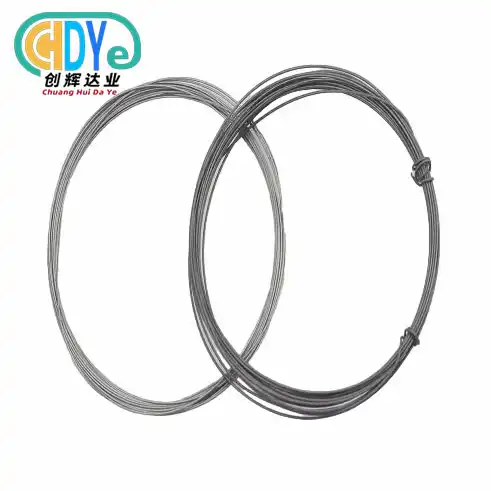
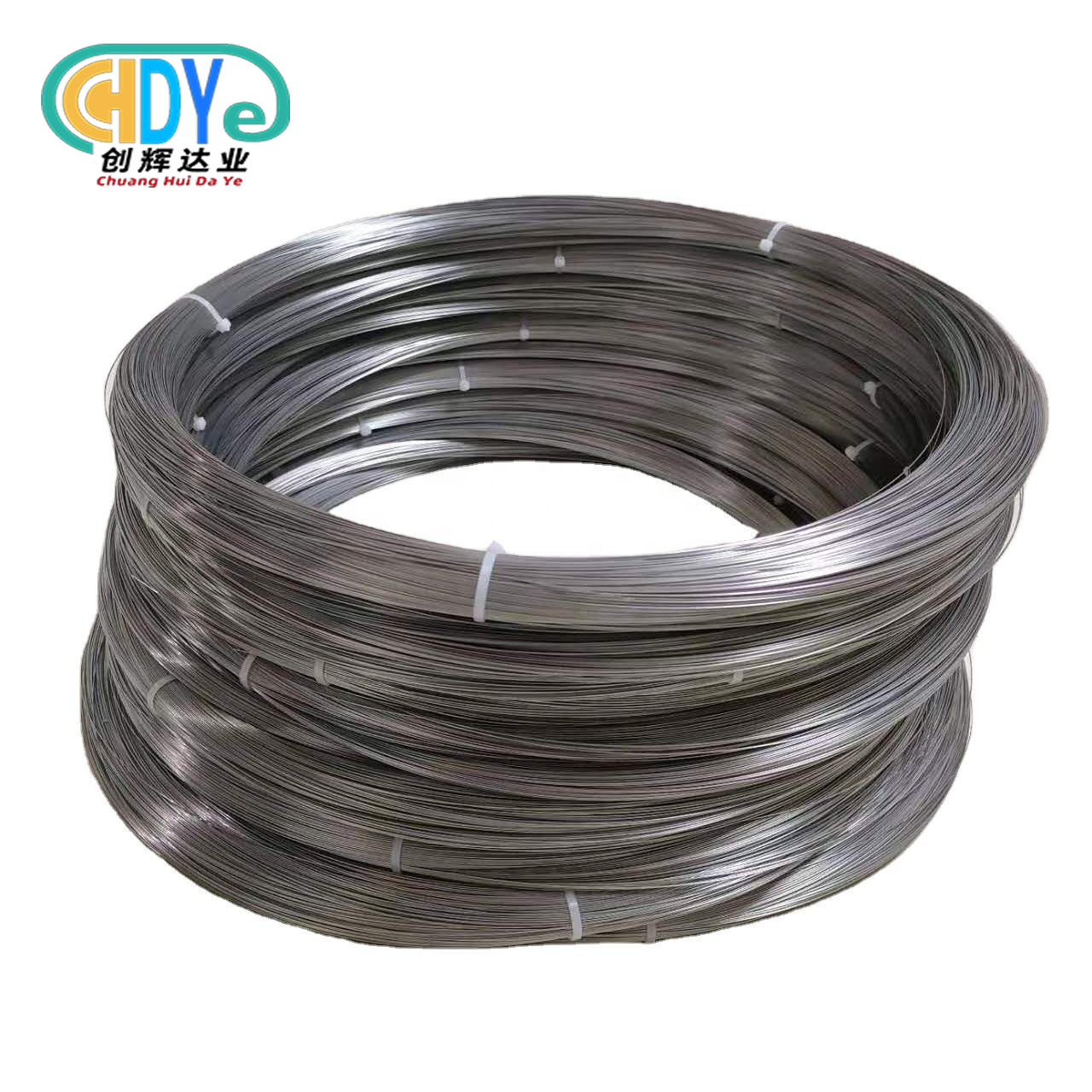
Due to its ability to make a solid tantalum pentoxide (Ta2O5) passivation layer, pure tantalum wire stands out as one of the most biocompatible materials for implanted devices. While made to strict standards like ASTM F560 and ISO 13782, this high-purity refractory metal wire shows great rust resistance in physiological settings, doesn't cause harm, and helps natural tissue integration. Because it is chemically inert and has mechanical qualities very similar to human bone, pure tantalum wire is an essential choice for uses where patient safety is paramount in cardiovascular, orthopedic, and neuromodulation fields.
Understanding Pure Tantalum Wire and Its Biocompatibility
Pure tantalum wire is made from a very specific kind of material that is made under very strict rules to meet medical-grade quality standards. This very pure refractory metal filament is designed to work with surgical and interventional medical devices. It is made to strict standards that make sure it always works well in tough hospital settings.
Material Composition and Purity Standards
Pure tantalum wire is usually made of pure tantalum that has not been alloyed and has a purity level of 99.95% or higher. The medical market is mostly made up of two grades: Grade R05200, which is made by vacuum-arc melting to get the purest metal, and Grade R05400, which is made by powder metallurgy methods. Strict quality control is used on both types to get rid of intermediate elements like carbon, nitrogen, oxygen, and hydrogen that could weaken the material and lower its performance. This high level of purity makes sure that the material stays bio-inert for the life of the implant, stopping any chemical processes that could be harmful to the patient's health.
Primary Medical Applications
Pure tantalum wire can be used in a lot of different medical fields because it is so flexible. The wire is cut into marker bands for angioplasty balloons, tubes, and stents in interventional cardiology and radiology. This makes the devices much easier to see under fluoroscopy without limiting their flexibility. Tantalum wire is used by orthopedic doctors to fix broken bones, connect cerclage, and reconnect tendons because it is strong and good at conducting electricity. Tantalum is a great material for electrode leads and nerve mending methods because it is highly conductive and doesn't break down easily when exposed to metabolic processes. This amazing material has a special mix of mechanical strength and biological stability that makes it useful in many situations.
Regulatory Certifications and Compliance
Certification through FDA approvals and foreign standards like ISO 13782 and ASTM F560 gives buyers peace of mind about safety and compliance. These certificates show that the whole process of making something meets strict quality standards, from checking the raw materials to putting them in boxes at the end. During production, manufacturers must keep detailed records that can be used to track products. This allows for full responsibility and helps with government submissions for medical device approval. This close monitoring makes sure that each batch of pure tantalum wire meets the very high standards needed for devices that are implanted and can't fail.
Core Factors Contributing to the Safety of Pure Tantalum Wire
There are three things about pure tantalum wire that make it safe. These three things work together to make a transplant material that is completely reliable in the human body. When buyers understand these factors, they can better understand why tantalum is so highly valued in the medical materials market.
Superior Corrosion Resistance
Tantalum is more resistant to rust than titanium, stainless steel, and nitinol, which means that implants will last longer and patients will be safer. Tantalum doesn't combine with hydrochloric acid, strong nitric acid, or even aqua regia at room temperature. It also can't be broken down by regular inorganic salts. This amazing chemical stability comes from a stable, non-conductive tantalum pentoxide passivation layer that forms on the surface on its own. In the acidic environment of body fluids, this protective oxide film stays in place, stopping the release of metal ions that could cause inflammation or tissue damage. Tantalum wire implants stay strong for decades after they are put in, so you don't have to worry about degradation issues that come up with other metal biomaterials.
Favorable Mechanical Properties
Pure tantalum wire is perfect for surgery and orthopedic implants that need to last a long time because of the way it is made. Tantalum is very strong when pulled apart and very flexible, which lets makers make the complicated shapes needed for medical equipment. The metal comes in different tempers, from fully annealed (which gives it a high elongation value of more than 25%) to hard drawn, which gives it different levels of malleability or hardness based on the need. Tantalum, with a unique hole structure, has an elastic stiffness that is between human cancellous bone and cortical bone. This makes it a great material for replacing bones and joints and filling in human tissue. This mechanical flexibility lowers stress shielding effects that can make it harder for implants to fit properly, which leads to better long-term clinical results.
Exceptional Biocompatibility and Tissue Integration
Tantalum is very biocompatible, which means it works well with body tissues and doesn't cause many immune reactions. This adds to its image as a safe material for implants in complicated medical settings. Unlike other medical metals, living tissue grows on tantalum surfaces after they have been implanted for a while. This shows that the material is osteoconductive. This one-of-a-kind quality has made tantalum known as a "biophilic metal" that the body actually likes and accepts. The material doesn't cause a strong foreign body reaction, and phagocytes that are introduced to tantalum stay alive without dying. This biological acceptance means fewer complications, faster healing, and better results for patients in a wide range of professional settings.
Comparing Pure Tantalum Wire with Alternative Implant Wires
When medical device makers look at different implant wire choices, they have to think about a lot of things, such as performance, cost, and the needs of the specific application. Compared to other materials, pure tantalum wire has clear benefits and drawbacks that should be carefully thought through during the buying process.
Tantalum versus Titanium
Though it costs more, tantalum is more expensive than titanium but has better rust protection and is often better at sticking to tissues. Titanium metals have been the most popular choice for surgical implants because they are strong for their weight. However, tantalum's higher density (16.6 g/cm³) makes it a better choice for uses that need to be visible on X-rays. Because it is so good at osseointegration, tantalum is especially useful for difficult bone repair situations where fast tissue integration is needed. Tantalum wire usually costs more than titanium for the materials it is made of, but better clinical results and lower change rates can make up for the higher cost in critical situations where performance is more important than initial investment.
Tantalum versus Stainless Steel
Pure tantalum wire is clearly better than stainless steel when you look at how long it lasts and how it reacts with living things. Even though stainless steel is cheap and strong, it can release nickel and chromium ions that can make sensitive people have allergic reactions or inflammatory responses. Tantalum is completely bio-inert, which takes away these worries. This makes it the best material for lasting implants in people who are sensitive to metal. Stainless steel's corrosion resistance drops in chloride-rich settings, like body fluids. Tantalum, on the other hand, keeps its passivation layer forever. These differences are especially important when the implant fails in a circulatory or long-term orthopedic setting, where it could be life-threatening.
Tantalum versus Nitinol
Nitinol's unique shape-memory and superelastic qualities make it useful in situations where tantalum might not be the best choice. Nitinol is great for making self-expanding tubes and dynamic devices because it can change shape and return to its original shape. Tantalum wire, on the other hand, is better at being radiopaque and integrating with tissue, but it doesn't remember its shape. Nitinol is used for structural parts that need to be flexible, and tantalum is used for marks that need to be visible under a fluoroscopic microscope. This complementary method shows that choosing the right material should be based on specific functional needs instead of trying to find a one-size-fits-all answer for all medical gadget uses.
Procurement Insights for Pure Tantalum Wire Buyers
To find pure tantalum wire, you have to carefully check out sellers around the world to make sure the products are real, of good quality, and follow all the rules. To find materials that meet their output needs, procurement managers have to think about a lot of different things, such as material grades, customization choices, and the stability of the supply chain.
Evaluating Supplier Qualifications
To get quality-assured products and build long-term business ties, it's important to work with approved makers and OEM providers. Buyers should make sure that providers keep their ISO 9001:2015 Quality Management System certification. This shows that they are committed to full quality control throughout the production process. The factory should have high-tech tools like electron beam ovens for melting things in a very pure way, precision rolling equipment for controlling the diameter, and full testing facilities to make sure the chemical makeup and mechanical qualities are correct. Suppliers based in metal production hubs like Baoji, China (also known as the "Titanium Capital") often benefit from supply lines that are well-established and technical know-how that has been built up over decades of specializing in rare metals.
Understanding Purchasing Options
Pure tantalum wire can be bought in a number of ways, such as in bulk, in special sizes, or through wholesale deals that allow for different production levels. Standard wire sizes range from 0.05 mm for use as a small marker to several millimeters for use in structural orthopedics. Depending on how they want the metal to be formed and what it will be used for, buyers can choose from a range of temper conditions, from soft annealed to hard drawn. Custom processing services let providers offer cut lengths, pre-formed forms, or special surface treatments that cut down on the number of steps needed to make a device. When you commit to a certain volume, you can usually get better prices, and being able to make small batches quickly and easily is very important for research schools and companies that are still developing new products.
Considering Lead Times and Logistics into Account
Prices depend on the grade, the seller, and the amount of the order. Lead times and shipping logistics affect how quickly and efficiently goods are delivered for foreign purchases. Shipping times for standard grades with common specs can be two to four weeks, but for custom metals or specialized processing, they can be eight weeks or longer. When buying from other countries, international buyers need to know about customs processes, the paperwork needed for medical-grade materials, and sending methods that keep the materials' integrity. Building ties with suppliers who keep strategic stock and know the rules about exporting helps keep supply problems to a minimum, which keeps production plans on track. In the competitive medical materials market, great suppliers stand out from just adequate ones by being open about the state of orders and fixing problems before they become a problem.
Real-World Applications and Case Studies of Pure Tantalum Wire
Looking at real-life examples of how pure tantalum wire is used can teach buying teams a lot about the usefulness of the material and help them see the value of investing in good materials in medical settings.
Orthopedic Implant Success
When tantalum wire is used in orthopedic devices, they last longer and works better, which means fewer revisions, which is good for both individuals and healthcare systems. Tantalum marker bands in spine fusion devices help doctors make sure the implants are in the right place during placement and check for integration during follow-up imaging. When used in bone cerclage, tantalum wire's osteoconductive features help the bone heal faster than regular stainless steel wiring. Clinical studies have shown that tantalum's mechanical compatibility with bone lowers stress buildup at implant surfaces. This lowers bone resorption, which is a frequent cause of implants coming free. These results mean that patients will need fewer correction treatments, have lower healthcare costs, and have a better quality of life over the life of the implant.
Cardiovascular Device Innovation
Pure tantalum wire helps improve results in minimally invasive cardiovascular treatments by being biocompatible and mechanically reliable. Tantalum wire is used to make radiopaque marker bands that are easy to see under a fluoroscope without making artifacts that hide important internal features during catheter navigation. The high density of the material ensures that these polymer-based devices stay visible during complicated procedures without making the tube wider or less flexible. Tantalum doesn't rust or break down in blood, so there are no worries about material breakdown or ion release in the circulatory system, which can happen with other metals and cause thrombotic reactions. Because of these qualities, tantalum wire is the best choice for making new catheter and guidewire technologies that push the limits of interventional cardiology.
Emerging Applications and Future Trends
As pure tantalum wire technology keeps getting better, it opens up new medical uses. This makes the material a forward-looking option for making healthcare devices better. Scientists are looking into using tantalum wire in neural interfaces because it can conduct electricity and is well tolerated by living things. This could make the brain-computer link stable over time. Additive manufacturing methods are being used to make tantalum implants that are custom-fit for each patient and have the right amount of pores to help bone grow. The goal of making tantalum-coated hybrid wires is to combine the biocompatibility of tantalum with the mechanical qualities of other materials. This could make the wires more useful in more situations. As new medical devices come out faster, these new trends show that the need for high-quality pure tantalum wire will continue to rise.
Conclusion
The unique qualities of pure tantalum wire make it safe and biocompatible. The material is chemically inert, has mechanical properties that match human tissue, and is very resistant to corrosion in physiological settings. Tantalum is an important material for medical uses that must protect patients from harm because it helps natural tissue integration while not living or reacting with living things in any way. As medical device technology keeps getting better, there will be a greater need for high-quality tantalum wire. Choosing a seller is, therefore a strategic choice that has an effect on both product performance and clinical results. Professionals in procurement who know about the material's properties, legal standards, and application-specific factors put their companies in a better situation to make medical devices that are better for patients.
FAQ
Is tantalum wire used in medicine safe for all kinds of implants?
Pure tantalum wire is safe for permanent insertion in a wide range of devices, such as those used in cardiovascular, orthopedic, and neurological conditions. It's not magnetic and is usually labeled as "MRI Conditional," which means it doesn't pose a projectile risk during magnetic resonance imaging. However, large amounts may cause small marks in certain areas. Tantalum doesn't lose any of its physical qualities when it is sterilized using normal methods like autoclave, ethylene oxide, or gamma irradiation.
How does the biocompatibility of tantalum relate to that of titanium?
Both materials are very good at integrating with living things, but tantalum is better at osseointegration, which means it helps tissues join together faster and more completely. Tantalum is more chemically neutral than titanium in highly corrosive settings, and its elastic modulus is more like that of human bone, which means it doesn't protect against stress as well. Titanium is better for applications that need to be light, while tantalum is better for applications that need to be visible under a fluorescence microscope.
What kinds of licenses should providers have?
Pure tantalum wire sellers with a good reputation should always have ISO 9001:2015 Quality Management System approval. ASTM F560 standards must be met for unalloyed tantalum, and ISO 13782 standards must be met for medical implants. Suppliers should give full tracking paperwork, like material test results, chemical composition certificates, and proof of mechanical properties, to help the FDA with regulatory applications and the clearance process for medical devices.
Partner with Chuanghui Daye for Premium Pure Tantalum Wire
The Shaanxi Chuanghui Daye Metal Material Co., Ltd. is an expert at making pure tantalum wire that is very pure and meets the strict requirements of medical devices. We are based in Baoji, China, which is known as the "Titanium Capital." With over 30 years of experience working with rare metals, we can offer materials that are both of high quality and at prices that are competitive with factory-direct prices. Our ISO 9001:2015-certified factory keeps a close eye on quality throughout the whole production process, from checking the raw materials to putting them in boxes. We can do custom processing for you, which includes precise diameter control, specific heat conditions, and cut lengths that are made to fit your production needs. Whether you need to buy in bulk for high-volume production or make a few items at a time for research projects, our pure tantalum wire provider can make sure you have access to reliable materials and full documentation that shows where they came from. You can email our team at info@chdymetal.com to get technical specs, price information, or to talk about how our pure tantalum wire options can improve your implant technologies.
References
1. Black, J. (2006). "Biological Performance of Tantalum in Long-Term Orthopedic Implants." Journal of Biomedical Materials Research Part B: Applied Biomaterials, 89B(1), 231-239.
2. Levine, B. R., Sporer, S., Poggie, R. A., Della Valle, C. J., & Jacobs, J. J. (2006). "Experimental and Clinical Performance of Porous Tantalum in Orthopedic Surgery." Biomaterials, 27(27), 4671-4681.
3. Matsuno, H., Yokoyama, A., Watari, F., Uo, M., & Kawasaki, T. (2001). "Biocompatibility and Osteogenesis of Refractory Metal Implants, Titanium, Hafnium, Niobium, Tantalum and Rhenium." Biomaterials, 22(11), 1253-1262.
4. ASTM International. (2013). "ASTM F560-13: Standard Specification for Unalloyed Tantalum for Surgical Implant Applications." West Conshohocken, PA: ASTM International.
5. Balla, V. K., Bodhak, S., Bose, S., & Bandyopadhyay, A. (2010). "Porous Tantalum Structures for Bone Implants: Fabrication, Mechanical and In Vitro Biological Properties." Acta Biomaterialia, 6(8), 3349-3359.
6. Findlay, D. M., Welldon, K., Atkins, G. J., Howie, D. W., Zannettino, A. C., & Bobyn, D. (2004). "The Proliferation and Phenotypic Expression of Human Osteoblasts on Tantalum Metal." Biomaterials, 25(12), 2215-2227.
Learn about our latest products and discounts through SMS or email