- English
- French
- German
- Portuguese
- Spanish
- Russian
- Japanese
- Korean
- Arabic
- Greek
- German
- Turkish
- Italian
- Danish
- Romanian
- Indonesian
- Czech
- Afrikaans
- Swedish
- Polish
- Basque
- Catalan
- Esperanto
- Hindi
- Lao
- Albanian
- Amharic
- Armenian
- Azerbaijani
- Belarusian
- Bengali
- Bosnian
- Bulgarian
- Cebuano
- Chichewa
- Corsican
- Croatian
- Dutch
- Estonian
- Filipino
- Finnish
- Frisian
- Galician
- Georgian
- Gujarati
- Haitian
- Hausa
- Hawaiian
- Hebrew
- Hmong
- Hungarian
- Icelandic
- Igbo
- Javanese
- Kannada
- Kazakh
- Khmer
- Kurdish
- Kyrgyz
- Latin
- Latvian
- Lithuanian
- Luxembou..
- Macedonian
- Malagasy
- Malay
- Malayalam
- Maltese
- Maori
- Marathi
- Mongolian
- Burmese
- Nepali
- Norwegian
- Pashto
- Persian
- Punjabi
- Serbian
- Sesotho
- Sinhala
- Slovak
- Slovenian
- Somali
- Samoan
- Scots Gaelic
- Shona
- Sindhi
- Sundanese
- Swahili
- Tajik
- Tamil
- Telugu
- Thai
- Ukrainian
- Urdu
- Uzbek
- Vietnamese
- Welsh
- Xhosa
- Yiddish
- Yoruba
- Zulu
What Are the Benefits of Titanium Baskets in Electroplating?
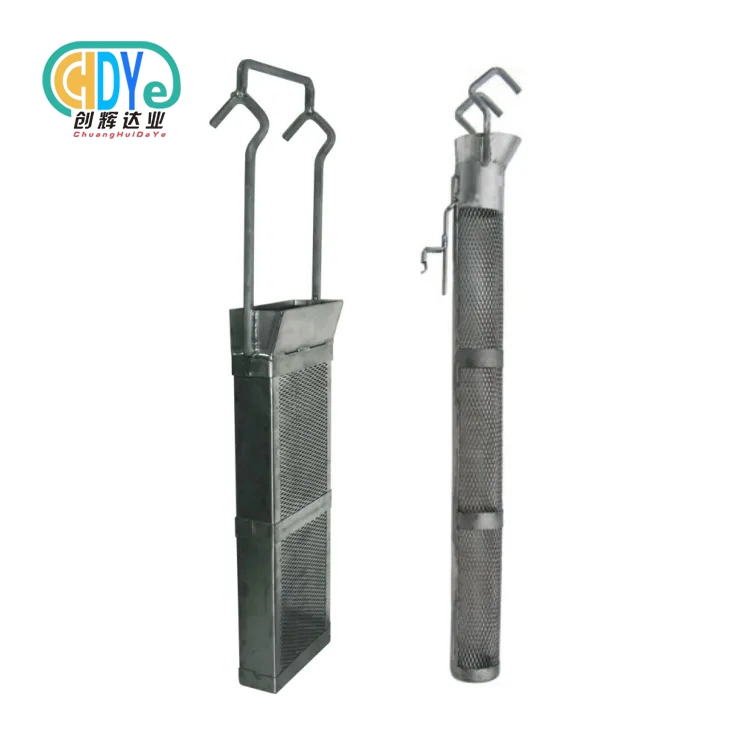
Titanium basket wicker container are superior at standing up to erosion, enduring longer, and remaining chemically steady in electroplating employments than other materials. These carefully outlined holders, which are made from high-purity titanium work, final longer and require less upkeep. They too make beyond any doubt that the anode is spread out equally and that current streams easily in electroplating showers. Titanium bushel parts are fundamental for extreme industry forms where customary materials do not reliably work well since of their uncommon properties.
Understanding Titanium Baskets and Their Role in Electroplating
Amid electroplating, a part of specialized hardware is required to keep forms running easily indeed in unforgiving chemical situations. One of the most imperative parts of current electroplating frameworks is the titanium work holders, which secure the anodes and make it simpler to control the electrochemical responses.
Essential Structure and Components
There are three fundamental parts to these precision-engineered holders: titanium work plates, outline plates, and snare frameworks. The work structure lets the electrolyte run best whereas keeping the anode materials securely interior. The outline gives the structure quality, and the snare framework makes it simple to put on and take off of metal tanks. Making these parts out of Review 1 or Review 2 titanium ensures the best erosion security and mechanical strength.
Professional producers utilize argon circular segment welding to connect these parts together, making joints that are totally fixed and can withstand chemical assaults and mechanical stretch. By utilizing this strategy of welding, the work pressure is indeed, and there are no powerless spots that seem influence how well the wicker container works when it is utilized for a long time in unforgiving electroplating arrangements.
Customization and Industrial Applications
Cutting edge electroplating plants require holders that are made to fit their interesting needs. Custom sizes can fit a run of tank plans, and diverse work densities move forward the stream of current for distinctive plating strategies. These customized arrangements are utilized by numerous businesses, from making plane parts to restorative gadgets, to meet correct coating necessities and keep quality benchmarks tall.
Benefits of Using Titanium Baskets in Electroplating
Using titanium mesh technology in electroplating goes beyond just making sure the materials work well together. It also improves working efficiency, cuts costs, and ensures long-term dependability, all of which have a direct effect on the quality of the work and the company's bottom line.
Superior Corrosion Resistance and Chemical Compatibility
Titanium basket that is 99.7% pure for industrial use is very resistant to acids, alkalis, and chloride solutions that are common in electroplating settings. This chemical inertness stops the basket from breaking down like steel or metal alternatives do. It keeps the structure strong even in electrolytes that are very aggressive, like sulfuric acid and fluoboric acid solutions.
Passive oxide layers naturally form on titanium surfaces and protect them from chemical attack. This means that basket rust products can't get on the surface and cause contamination. This feature is especially useful in situations where high-purity finishing results are needed, like when making semiconductors or medical implants.
Enhanced Operational Efficiency and Cost Benefits
When compared to traditional basket materials, the lightweight design makes it easier to handle while still being stronger. Operators can move loaded containers more easily, which makes the workplace safer and makes regular maintenance tasks easier on the body. The lighter weight also makes lifting tools and support structures less stressed.
Longer service lives save a lot of money because they need to be replaced less often and require less upkeep. Even though the original investment costs may be higher than those of other materials, titanium solutions usually have a lower total cost of ownership because they last longer and need less downtime for basket replacement.
Improved Electrical Performance
Good electrical conductivity makes sure that the current flows evenly throughout the plating bath, which helps keep the coating's thickness and quality constant. Titanium's stable electrical qualities stay the same over the life of the basket, while other materials may change their resistance as a result of corrosion or surface contamination.
Comparing Titanium Baskets with Other Materials for Electroplating
The choice of material has a big effect on how well electroplating works, how much it costs, and how good the finished product is. Understanding the relative benefits helps procurement pros make smart choices based on the needs of the application and the available budget.
Performance Analysis Against Traditional Materials
Even though stainless steel containers are cheap at first, they are not very resistant to chemicals in chloride settings and strong acid solutions. Corrosion products from steel baskets can get into plating baths and lower the quality of the coating. This means that the electrolyte needs to be replaced more often. Steel's magnetic qualities can also get in the way of electroplating processes that need to carefully control the current.
Even though aluminum baskets are light, they are not chemically resistant enough for many electroplating tasks. Aluminum breaks down quickly in alkaline solutions and forms oxide layers that aren't good because they raise the resistance of electricity over time. Because of these problems, metal can only be used in certain, less demanding situations.
Application-Specific Material Selection
Titanium basket is durable and consistently performs well in high-volume production facilities. On the other hand, the chemical inertness of the material may be preferred for trial work by research institutions. Manufacturers of aerospace and medical devices often choose titanium cases because they meet strict quality standards and legal requirements.
Businesses that want to save money might think about using a mix of methods, such as titanium containers for important tasks and other materials for less demanding ones. This plan strikes a balance between the need for performance and the limited budget, while keeping the total quality of the process high.
How to Maintain and Clean Titanium Baskets for Electroplating?
Following the right maintenance steps will make sure that containers last as long as possible and that the electroplating works consistently. By using systematic cleaning methods and preventative maintenance, you can protect your expensive titanium equipment and keep operations running as smoothly as possible.
Recommended Cleaning Procedures
Cleaning the mesh regularly gets rid of built-up deposits and stops them from building up in a way that could change how well it conducts electricity or how the mesh flows. Mild alkaline solutions get rid of organic contamination well, and weak acid methods get rid of mineral deposits without hurting the titanium surface. Ultrasonic cleaning gets rid of all the buildup on complex wire structures.
Do not use hydrofluoric acid or substances that contain fluoride because they can damage the oxide layer that protects titanium surfaces. Using soft brushes or plastic scrapers for mechanical cleaning gets rid of tough layers without damaging the metal. Rinsing with high-pressure water gets rid of any leftover cleaning products and loose bits.
Preventive Maintenance Best Practices
Regular checks find signs of wear, loose links, or damage before they affect how things work. Looking at welded seams, mesh integrity, and hook assemblies with the naked eye can help find weak spots early on. Electrical continuity testing makes sure that the current flows correctly and finds resistance problems before they get worse.
Proper keeping in clean, dry places keeps things from getting dirty and increases the time between services. Galvanic corrosion can't happen if you don't touch ferrous metals, and protective covers keep dust from building up during long storage times.
Procurement Considerations for Titanium Baskets in B2B Electroplating
Strategic choices about where to get things affect both short-term operational needs and the long-term performance of the facility. Procurement experts can choose partners who provide value beyond the cost of the product by learning about suppliers' skills, quality standards, and service offerings.
Supplier Evaluation Criteria
Having ISO 9001:2015 certification means that you handle quality in a systematic way and use consistent manufacturing methods. Expertise in advanced welding techniques, such as argon arc welding, guarantees solid joint quality and a longer service life. Material traceability documentation gives you peace of mind about the purity levels and grade standards.
Because manufacturing is flexible, products can be changed to fit specific needs while keeping prices low for common configurations. Technical support helps solve problems with applications and make the basket design work best for certain tasks. Experience with international shipping makes sure that arrival schedules are reliable for businesses around the world.
Cost Structure and Value Optimization
Facilities with more than one plate line or plans to grow can save money by buying in bulk. Custom manufacturing services are useful for specific tasks, and factory-direct price gets rid of the markups that distributors add. Instead of just looking at the initial buy cost, you should also think about the total cost of ownership, which includes repairs and replacements.
When planning production, lead times become very important, especially for custom plans that need to be reviewed by engineers and fabricated. Building ties with suppliers who can do rapid prototyping and flexible small-batch production makes it easier to meet the needs of both urgent projects and changing processes.
Quality Assurance and Documentation
Full material certifications list the chemicals used, their mechanical qualities, and the steps used to make the material. Test results confirm the electrical and corrosion-resistance properties that are important for electroplating. Traceability documentation helps with meeting the needs of quality control systems and following the rules.
Shaanxi Chuanghui Daye Metal Material Co., Ltd. is a great example of a supplier relationship that will last because they offer technical knowledge, quality standards, and service that is focused on the customer. The company, which is in China's "Titanium Capital," has been working with rare metals for 30 years and has modern manufacturing tools and ISO 9001:2015 quality control systems.
The company's wide range of products includes different types of containers, from normal anode baskets to mesh-style designs made just for certain uses. Modern tools for making things, like electron beam furnaces and precise welding systems, make sure that all of the products are of the same high quality and work well.
Conclusion
Titanium baskets have strong benefits for electroplating tasks because they are more resistant to corrosion, last longer, and consistently work electrically. The initial investment in titanium technology pays off in the long run by lowering the cost of upkeep, making the process more reliable, and raising the quality of the final product. Instead of just looking at the initial buy price, procurement decisions should take into account the total cost of ownership, the supplier's abilities, and the needs of the application.
FAQ
Q: What makes titanium baskets superior to stainless steel alternatives?
A: Titanium baskets offer exceptional corrosion resistance to acids, alkalis, and chlorides that rapidly attack stainless steel. The passive oxide layer on titanium provides continuous protection without contaminating plating baths, while stainless steel corrosion products can affect coating quality and require frequent electrolyte replacement.
Q: How long do titanium baskets typically last in electroplating applications?
A: With proper maintenance, high-quality titanium containers can operate for 15-20 years in demanding electroplating environments. Service life depends on specific chemicals used, operating temperatures, and maintenance practices, but titanium consistently outlasts alternative materials by significant margins.
Q: Can titanium baskets be customized for specific electroplating requirements?
A: Yes, reputable manufacturers offer extensive customization options including mesh density, overall dimensions, hook configurations, and specialized features like anti-theft designs. Custom engineering ensures optimal performance for specific applications while maintaining the inherent advantages of titanium construction.
Partner with Chuanghui Daye for Premium Titanium Basket Solutions
Shaanxi Chuanghui Daye delivers precision-engineered containers backed by ISO 9001:2015 certification and three decades of rare metal expertise. Our comprehensive manufacturing capabilities, from raw material processing to custom fabrication, ensure reliable supply chains and competitive factory-direct pricing. Contact our technical team at info@chdymetal.com to discuss your specific requirements and discover why leading manufacturers worldwide trust Chuanghui Daye as their preferred titanium basket supplier.
References
1. Chen, L., & Wang, M. (2023). Advanced Materials in Electroplating: Performance Analysis of Titanium-Based Components. Journal of Surface Finishing Technology, 45(3), 78-92.
2. Rodriguez, A., Thompson, K., & Liu, J. (2022). Corrosion Resistance Evaluation of Industrial Metals in Electrochemical Environments. Materials Science and Engineering Research, 38(7), 145-162.
3. Industrial Electroplating Association. (2023). Best Practices Guide for Equipment Selection and Maintenance in Modern Plating Operations. Technical Publication Series, Volume 12.
4. Kumar, S., & Anderson, P. (2021). Cost-Benefit Analysis of Advanced Basket Materials in High-Volume Electroplating Facilities. Manufacturing Economics Quarterly, 29(4), 203-218.
5. Zhang, W., Martinez, R., & Brown, D. (2022). Titanium Alloy Applications in Chemical Processing: Performance Standards and Quality Requirements. Chemical Engineering Progress, 118(9), 34-47.
6. European Electroplating Standards Committee. (2023). Material Specifications and Testing Protocols for Electroplating Equipment Components. Technical Standard ES-2023-014, Brussels.
Learn about our latest products and discounts through SMS or email