- English
- French
- German
- Portuguese
- Spanish
- Russian
- Japanese
- Korean
- Arabic
- Greek
- German
- Turkish
- Italian
- Danish
- Romanian
- Indonesian
- Czech
- Afrikaans
- Swedish
- Polish
- Basque
- Catalan
- Esperanto
- Hindi
- Lao
- Albanian
- Amharic
- Armenian
- Azerbaijani
- Belarusian
- Bengali
- Bosnian
- Bulgarian
- Cebuano
- Chichewa
- Corsican
- Croatian
- Dutch
- Estonian
- Filipino
- Finnish
- Frisian
- Galician
- Georgian
- Gujarati
- Haitian
- Hausa
- Hawaiian
- Hebrew
- Hmong
- Hungarian
- Icelandic
- Igbo
- Javanese
- Kannada
- Kazakh
- Khmer
- Kurdish
- Kyrgyz
- Latin
- Latvian
- Lithuanian
- Luxembou..
- Macedonian
- Malagasy
- Malay
- Malayalam
- Maltese
- Maori
- Marathi
- Mongolian
- Burmese
- Nepali
- Norwegian
- Pashto
- Persian
- Punjabi
- Serbian
- Sesotho
- Sinhala
- Slovak
- Slovenian
- Somali
- Samoan
- Scots Gaelic
- Shona
- Sindhi
- Sundanese
- Swahili
- Tajik
- Tamil
- Telugu
- Thai
- Ukrainian
- Urdu
- Uzbek
- Vietnamese
- Welsh
- Xhosa
- Yiddish
- Yoruba
- Zulu
How to store pure tantalum wire to prevent contamination?
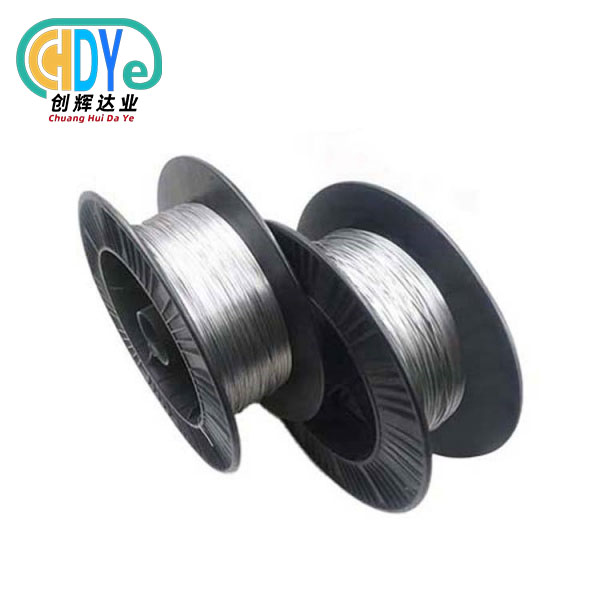
Proper storage of pure tantalum wire begins with understanding its reactive nature. To prevent contamination, maintain the wire in vacuum-sealed or inert gas-filled packaging within climate-controlled environments (humidity below 40%, temperature 15-25°C). Always handle the wire with lint-free gloves in clean conditions, avoiding direct exposure to air, moisture, or organic compounds. Keep spools labeled with batch information and store them vertically in dedicated cabinets away from corrosive chemicals to preserve the wire's exceptional purity and welding performance throughout its shelf life.
Understanding the Problem of Contamination in pure tantalum wire
Exposure to moisture, oxygen, dust, and poor handling or packing are the main causes of contamination in pure tantalum wire . Unlike most filler metals, tantalum is a "getter" material, which means it strongly takes gases from the air at room temperature and above. Even short contact with air outside raises oxygen levels above the 0.015% limit required by quality control procedures. This starts surface oxidation, which shows up as coloring during welding operations.
How Contamination Manifests During Welding Operations
These impurities hurt the cleanliness of the wire's surface and can cause welding problems like holes, weakening, or breaking. Visual signs let you know right away how bad the contamination is. A silver weld bead means the clarity is good, while straw coloring means you should be careful. Powdery blue, purple, or white remains show serious oxidation and weakening, which means the weld needs to be taken out and reworked. As temperatures rise, gas moves faster into the tantalum matrix, making the heat-affected zone more likely to break.
Industry Impact and Cost Implications
Material failure risks in chemical processing equipment can lead to acid leaks that are dangerous to people and the environment, as well as emergency shutdowns that cost more than $50,000 each. Aerospace companies face the same bad effects; one weak weld in vacuum furnace parts can mean that whole units worth tens of thousands of dollars have to be thrown away. Knowing where the pollution comes from helps everyone take preventative steps that keep the quality of the welds and the dependability of the products consistent across production cycles.
Key Principles for Effective Storage of pure tantalum wire
Maintaining controlled environmental conditions, such as the right temperature, humidity, and safety from corrosive agents, is key to good keeping. An exponential chart shows the link between relative humidity and the oxidation of tantalum. Studies done in the lab show that when humidity levels are above 50%, the rate of breakdown is three times faster than when humidity levels are kept below 40%. Stability of temperature is just as important; changes in temperature cause condensation cycles that leave tiny water drops on wire surfaces.
Environmental Control Parameters
Temperature and humidity controls should keep storage places between 15°C and 25°C, with no more than 40% relative humidity. Installing accurate hygrometers that can record data makes it possible to keep an eye on things all the time and keep records for quality checks. Air filter systems with a HEPA rating of 13 or higher clear particles as small as 0.3 microns. This keeps dust from building up and getting stuck on the wire's soft surface when it is handled.
Advanced Packaging Methods
To keep things from getting contaminated or rusty, it's important to use packaging methods like vacuum-sealing or cases filled with harmless gas. When something is packed in a vacuum, the air pressure drops below 1 mbar, which means that surface processes can't use oxygen. Using 99.999% pure argon as an inert gas to purge moves reactive gases while keeping the air pressure the same, making it easier to use packing equipment. Both methods use desiccant packs with silica gel or molecular sieves inside them. These create a second barrier against moisture and have color-changing markers that can be used to check the results.
Handling Protocols and Personnel Training
Proper handling procedures for pure tantalum wire , such as taking cleanroom-level measures when uncoiling and recoiling, protect the quality and performance of the wire. Powder-free nitrile gloves should be worn by workers, and bare skin should not be used to touch wire surfaces because natural skin oils contain fatty acids and chlorides that etch tantalum. Cutting tools made of tungsten carbide keep metal bits from getting into other tools. Before each use, acetone or isopropyl alcohol should be used to clean work areas that are made of stainless steel or plastic. Following these rules helps the weld to be stable and extends the wire's useful life in tough industrial settings where redoing the work would cost too much.
Practical Storage Solutions & Technologies
Using plastic or paper wraps for traditional packing doesn't always work to keep refractory metal wire safe from moisture and airborne pollutants, especially when stored for more than 90 days. Paper soaks up humidity from the air, forming areas with high levels of wetness close to the wire surface. Standard polyethylene blankets don't have enough oxygen barrier qualities, so gases can pass through at a rate of about 3,000 cc/m²/day at room temperature.
Modern Storage Technologies and Equipment
Desiccant cabinets made of glass or polycarbonate let you see through them clearly and keep the humidity inside below 5% with regenerable desiccant packs. Three-point humidity indicator cards allow real-time tracking at 10%, 20%, and 30% levels, which replace or regenerate the desiccant at the right time. Continuous argon purge devices keep positive pressure differences between 0.5 and 1 mbar, which stops air from getting in when doors are opened.
Aerospace-grade filler metal makers use these cutting-edge methods to meet the strict AS9100 quality standards and meet customer needs. Manufacturers of semiconductor manufacturing equipment use storage rooms that are cleaned with nitrogen to keep oxygen levels below 50 parts per million. This creates conditions similar to glove box systems. The best way to protect wires is to pick storage options based on their purity grade (3N5 (99.95%) or 4N (99.99%) and the purpose they will be used for. For example, vacuum-sealed foil bags inside corrugated shipping cases could be used for bulk goods going to be used in chemical processing, while individual spool storage in tabletop desiccators is the best way to handle small amounts for study. Hermetically sealed aluminum cans with threaded lids and double O-ring seals are great for long-distance packages that go through multiple temperature zones. They provide military-grade safety during international logistics.
Best Practices for Logistics and Procurement to Minimize Contamination Risks
To build a trustworthy supply chain, you must first choose providers that are approved and trustworthy and follow global rules such as ISO 9001:2015, ASTM specifications, and REACH rules. ISO 9001:2015 certification makes sure that products are of good quality and are stored correctly from the time they are made until they are delivered. It also makes sure that tracking paperwork is sent with every package. Interstitial gas analysis data for oxygen, nitrogen, hydrogen, and carbon content should be included in certificates of compliance. These are the most important quality signs that tell you how well a weld will work.
Supplier Qualification and Audit Procedures
On-site audits of pure tantalum wire supplier facilities should be done by procurement teams. These audits should look at melting equipment (electron beam furnaces are best for purity), environmental controls in production areas, and final packing processes. Suppliers who use vacuum arc remelting or cold crucible induction melting show that they are dedicated to reducing contamination during production. For automatic wire feeds to work, material test results must include the tensile strength, the elongation percentages (15–25%) for annealed wire, and the size limits within the H9 grade.
Strategic Procurement Planning
Purchasing plans should match the packing needs and wait times with the storage space of the client. This will lower the risks that come with keeping inventory for long periods of time. Ordering wire in 100-gram spools works well for research labs that need to change materials often, while ordering wire in 1-kilogram spools makes production more efficient for makers who make a lot of things. Supply consistency and contamination control are best achieved by balancing large purchases with just-in-time purchases. Just-in-time transport cuts down on the time things need to be stored on-site, but it requires suppliers to be reliable and close by. Bulk buying gets you savings based on the amount you buy, usually between 15 and 20 percent for amounts over 10 kilos, but you have to spend money on the right storage facilities. Hybrid methods keep enough safety stock to cover two weeks of work and plan to restock every three months. These tactics work especially well in North American industrial shipping systems, where expedited air freight gets packages from specialized providers in places like Baoji, China (known as the "Titanium Capital") to end users within 14 to 21 days.
Conclusion
The right way to store pure tantalum wire depends on careful handling, modern packing technologies, and strict environmental control that takes into account the material's unique reactive qualities. When you combine climate-controlled storage areas, vacuum-sealed or inert gas packaging, trained staff practices, smart source selection, and following international certifications, you can improve the quality of the welding and the reliability of the devices used in difficult situations. Long-term benefits include fewer interruptions in production, longer shelf life for materials, and more consistent performance of the final product. When companies spend money on better storage practices, they get a competitive edge because they improve operational efficiency and lower risk in key manufacturing processes where weld integrity affects safety, regulatory compliance, and customer happiness.
FAQ
Q: Can pure tantalum wire be stored outdoors or in uncontrolled warehouse environments?
A: Putting wires away outside or in a place you can't manage is not a good idea and will quickly ruin their quality. Tantalum's getter traits make it oxidize quickly when it's exposed to the changing humidity and temperature that happen in warehouses. Even when the wire is stored outside in a closed area, it is still open to condensation cycles that add moisture to the surface. Dedicated rooms with temperature control are the very least that should be expected.
Q: What inspection intervals should be established for stored wire inventory?
A: Inspect the kept wire once a month for the first six months, and then every three months after that. A visual inspection should check the integrity of the package, the state of the desiccant indicator, and the readability of the label. Take out some random samples to look at the surface under a microscope for spots or other deposits. Findings should be recorded in inventory management systems, and stock should be rotated so that items don't get too old too quickly.
Q: Under what conditions is vacuum-sealed packaging necessary?
A: For wire types with higher than 99.97% purity, holding times longer than six months, or packages going through tropical temperature zones, vacuum-sealed packing is required. No matter how long the application lasts, this amount of safety is needed for applications like making semiconductors or medical implants. The extra cost of packing, which is usually $5 to $15 per spool, is very small when compared to the cost of scrap caused by contamination.
Partner with Chuanghui Daye for Premium pure tantalum wire Solutions
To keep the high clarity and performance of high-grade filler metals, you need to work with a pure tantalum wire provider that is dedicated to quality and technical support. This company, Shaanxi Chuanghui Daye Metal Material Co., Ltd., is in Baoji, China, and has been in the rare metal business for over 30 years. Our production methods are approved by ISO 9001:2015. At every stage of production, electron beam melting, precise drawing, and thorough interstitial gas analysis make sure that the quality of the materials stays the same.
We can package things in a way that fits your storage needs and the purpose of the packing, whether you need vacuum-sealed individual spools for research facilities or bulk shipments with humidity tracking for production facilities. Our expert team can help you with handling processes, designing storage infrastructure, and fixing problems that come up with welding. You can talk to our experts about your needs, get material certificates, or get reasonable quotes on R05200 and R05252 grade lines by emailing info@chdymetal.com. Experience the dependability and stability that make a trusted pure tantalum wire maker stand out in the chemical processing, medical device, and aircraft industries around the world.
References
1. Davis, J.R. (2001). Alloying: Understanding the Basics. ASM International, Materials Park, Ohio.
2. ASTM International (2019). ASTM B365-12: Standard Specification for Tantalum and Tantalum Alloy Rod and Wire. West Conshohocken, Pennsylvania.
3. Lassner, E. & Schubert, W.D. (1999). Tungsten: Properties, Chemistry, Technology of the Element, Alloys, and Chemical Compounds. Springer Science, New York.
4. Cardonne, S.M., Kumar, P., Michaluk, C.A., & Schwartz, H.D. (1995). "Tantalum and Its Alloys." International Journal of Refractory Metals and Hard Materials, 13(4), 187-194.
5. American Welding Society (2016). AWS A5.13/A5.13M: Specification for Solid Surfacing Welding Rods and Electrodes. Miami, Florida.
6. Totemeier, T.C. & Wright, R.N. (2006). "Microstructure and Mechanical Properties of LENS™ Deposited Tantalum." Metallurgical and Materials Transactions A, 37(5), 1301-1308.
Learn about our latest products and discounts through SMS or email