- English
- French
- German
- Portuguese
- Spanish
- Russian
- Japanese
- Korean
- Arabic
- Greek
- German
- Turkish
- Italian
- Danish
- Romanian
- Indonesian
- Czech
- Afrikaans
- Swedish
- Polish
- Basque
- Catalan
- Esperanto
- Hindi
- Lao
- Albanian
- Amharic
- Armenian
- Azerbaijani
- Belarusian
- Bengali
- Bosnian
- Bulgarian
- Cebuano
- Chichewa
- Corsican
- Croatian
- Dutch
- Estonian
- Filipino
- Finnish
- Frisian
- Galician
- Georgian
- Gujarati
- Haitian
- Hausa
- Hawaiian
- Hebrew
- Hmong
- Hungarian
- Icelandic
- Igbo
- Javanese
- Kannada
- Kazakh
- Khmer
- Kurdish
- Kyrgyz
- Latin
- Latvian
- Lithuanian
- Luxembou..
- Macedonian
- Malagasy
- Malay
- Malayalam
- Maltese
- Maori
- Marathi
- Mongolian
- Burmese
- Nepali
- Norwegian
- Pashto
- Persian
- Punjabi
- Serbian
- Sesotho
- Sinhala
- Slovak
- Slovenian
- Somali
- Samoan
- Scots Gaelic
- Shona
- Sindhi
- Sundanese
- Swahili
- Tajik
- Tamil
- Telugu
- Thai
- Ukrainian
- Urdu
- Uzbek
- Vietnamese
- Welsh
- Xhosa
- Yiddish
- Yoruba
- Zulu
High Efficiency Titanium Anode Assembly for Brine Electrolysis
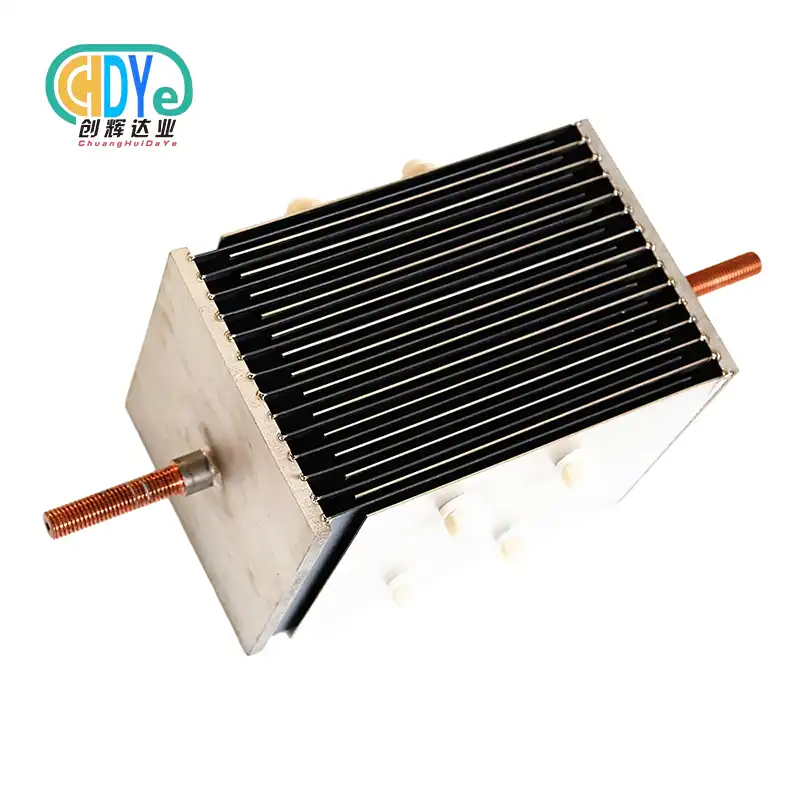
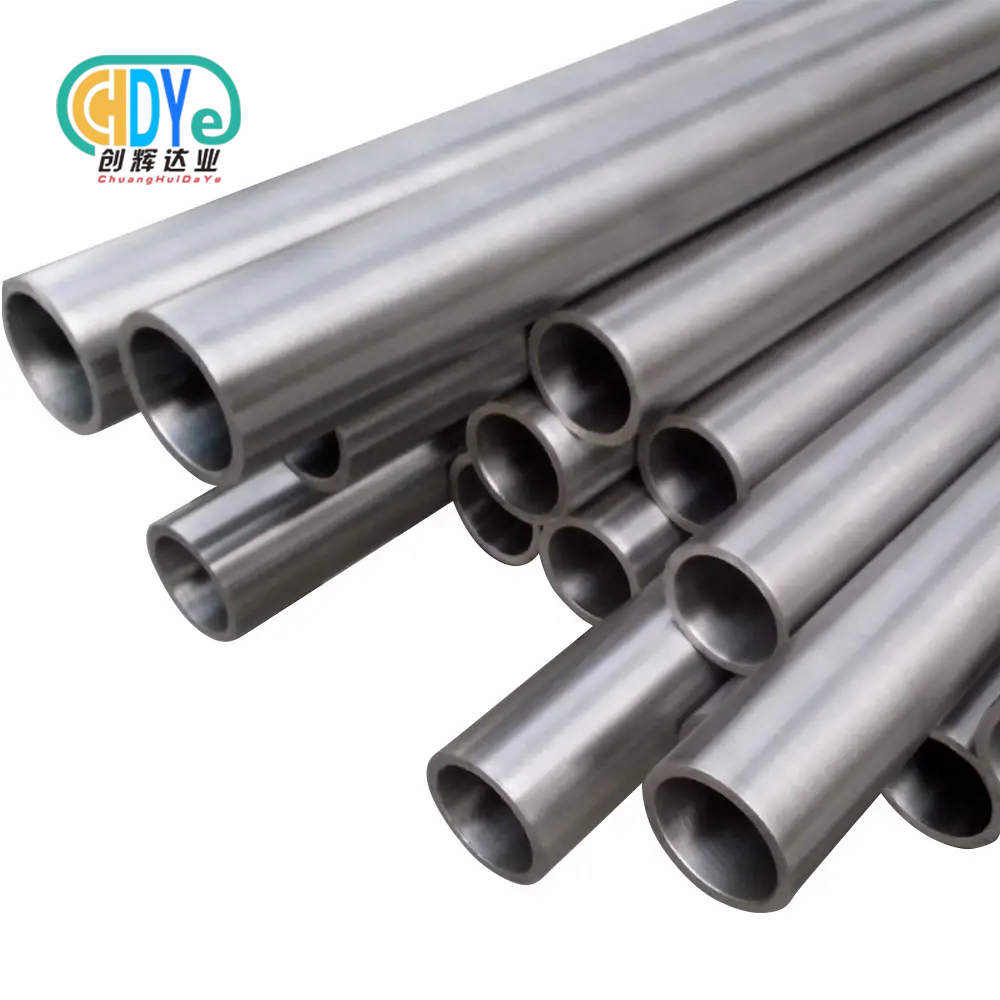
High-efficiency titanium anode assembly for brine electrolysis is a breakthrough in electrochemical innovation, moving forward chlor-alkali generation, water treatment, and seawater desalination. High-purity titanium substrates and imaginative blended metal oxide coatings make solid electrochemical units that can endure demanding working situations and keep up tall current productivity. The titanium anode gets together a plan that empowers long-term operation, low support, and consistent sodium hypochlorite generation in numerous mechanical applications. To fulfill electrolysis needs, present-day fabrication permits customization with plates, networks, tubes, and bars.
Understanding Titanium Anode Assemblies in Brine Electrolysis
Titanium anode assemblies are made from Review 1 or Review 2 titanium substrates, which are solid and corrosion-resistant. Specialized surface medications and coatings move forward these substrates' electrochemical characteristics.
Material Advantages and Construction Features
The special characteristics of titanium make it perfect for electrolytic applications. In chloride-rich settings, the metal resists corrosion even when exposed to harsh brine solutions. Titanium substrates perform consistently in light brine solutions to high-density seawater applications at 30g/L salt content due to their electrochemical stability.
Anode design has advanced greatly due to titanium substrate coating technologies. Catalytically active surfaces, such as mixed ruthenium-iridium oxide coatings, platinum group metal applications, and specialty Ir-Ta combinations efficiently evolve chlorine. For maximum adhesion and electrochemical activity, these coatings undergo thorough acid pickling to eliminate titanium oxide layers.
Electrochemical Role in Brine Electrolysis
Brine electrolysis uses titanium anodes as positive electrodes to oxidize chloride ions to produce chlorine gas or sodium hypochlorite. At the coating-electrolyte interface, the mixed metal oxide surface provides electron transfer sites for electrochemical reactions. This method efficiently converts brine solutions into useful chemicals while keeping low chlorine potential (≤1.13V).
Industrial Applications and Versatility
Titanium electrode assemblies are versatile throughout industries. These anodes enable large-scale membrane or diaphragm cell generation of chlorine, sodium hydroxide, and hydrogen in chlor-alkali industrial facilities. Titanium anodes disinfect water with sodium hypochlorite, killing microorganisms and organic pollutants. Marine uses include ballast water treatment, ship hull antifouling, and power plant cooling.
Performance Optimization of Titanium Anode Assemblies for Brine Electrolysis
Electrochemical systems function best when operating parameters are carefully monitored, and efficiency bottlenecks are identified. Understanding these aspects helps procurement teams maximize investment returns and ensure long-term reliability.
Identifying Common Performance Bottlenecks
Surface deterioration is a major anode lifetime and efficiency issue. Continuous electrochemical processes can deteriorate coatings, increasing operating voltages and decreasing current efficiency. Suboptimal working circumstances, such as high current densities or poor temperature control, accelerate degradation and lower system performance.
Anode performance is also affected by electrolyte composition. Brine compounds can poison anode catalytic sites, slowing reaction kinetics and increasing energy consumption. Electrolyte preparation and purification processes ensure uniform performance throughout the operational lifecycle.
Advanced Coating Technologies
Modern coatings use various metal oxides to boost catalytic activity and corrosion resistance. Base metals like tin improve anode oxidizability, while ruthenium-iridium oxide combinations improve chlorine evolution. Over long operating durations, these sophisticated coatings maintain chemical characteristics and catalytic activity.
Coating adherence and performance depend on surface treatment. Specialized etching and activation generate ideal surface topographies for uniform coating distribution and electrochemical activity. All anode surfaces are coated with the same thickness and composition through quality control.
Operating Condition Optimization
Temperature control greatly affects anode performance and longevity. Reaction kinetics and coating stability are best around 60–80°C. Higher temperatures speed reactions but may damage coating, while lower temperatures waste energy and limit efficiency.
Current density optimization protects anodes while optimizing electrolysis. Operating ranges of 200-400 A/m² are ideal for most applications, but may vary based on electrolyte composition and product specifications. Regular current distribution across anode surfaces minimizes localized degradation and ensures product quality.
How to Choose and Procure the Right Titanium Anode Assembly?
Technical standards, operational needs, and economic factors must be considered while choosing electrochemical components. This decision affects immediate performance and long-term operational costs.
Technical Specification Evaluation
Coating quality is the most important anode selection consideration. High-quality mixed metal oxide coatings provide excellent adherence, thickness distribution, and surface-wide catalytic activity. Coating composition analysis, adhesion test findings, and standardized electrochemical performance data should be included in certification documents.
For operating environment compatibility, substrate material characteristics must be carefully considered. Grade 1 titanium is malleable for intricate designs, whereas Grade 2 is stronger for demanding applications. Certified materials should meet chemical, mechanical, and surface quality standards.
Cost-Effectiveness Analysis
Initial procurement costs are essential, but the total cost of ownership better measures economic value. Under optimal operating conditions, a high-quality titanium anode assembly can last 10-15 years, lowering replacement costs and maintenance.
Voltage and current efficiency ratings should be considered while calculating energy efficiency. Superior coating processes sustain lower operating voltages throughout time, reducing electrical consumption and improving product yields. Higher initial investment costs are justified by operating savings from efficiency gains.
Supplier Evaluation and Procurement Strategies
Suppliers offer customization, quality assurance, and technical assistance beyond manufacturing. ISO 9001:2015 accreditation enables quality management from raw material inspection to packaging and delivery.
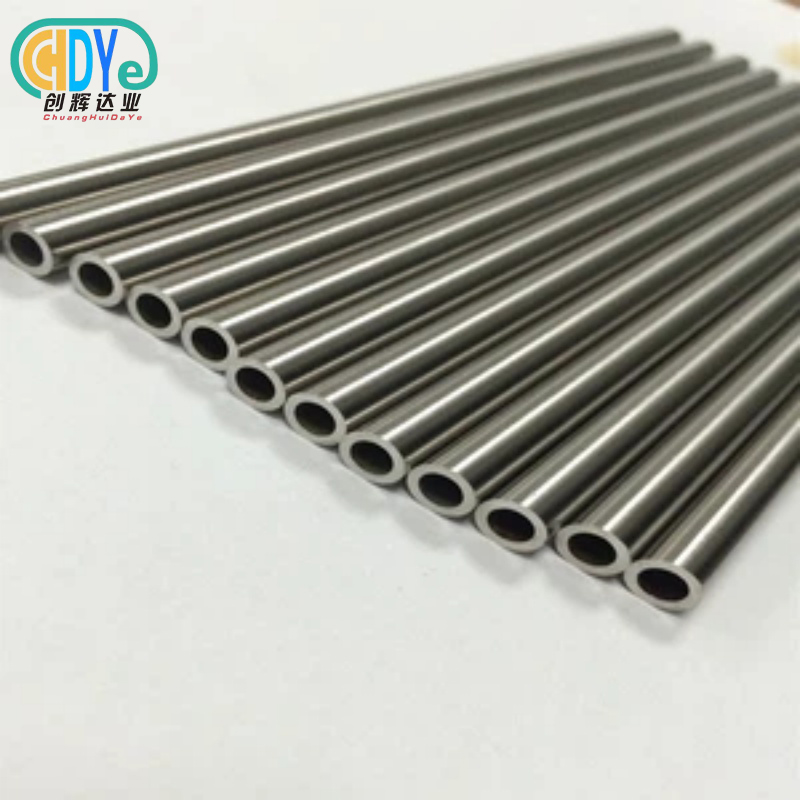
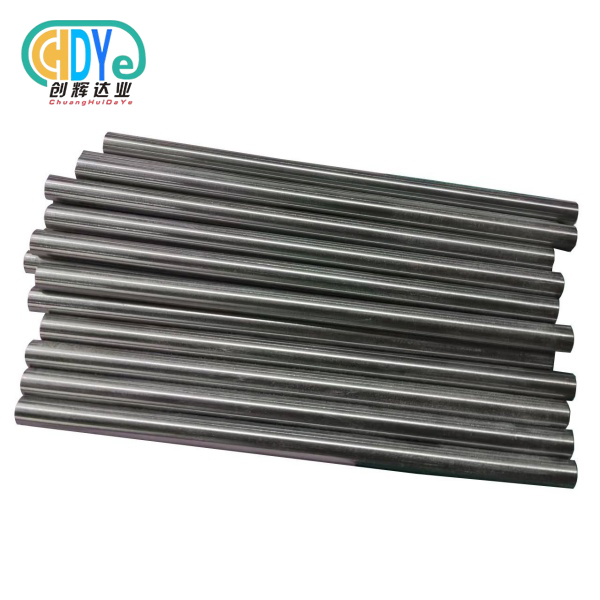
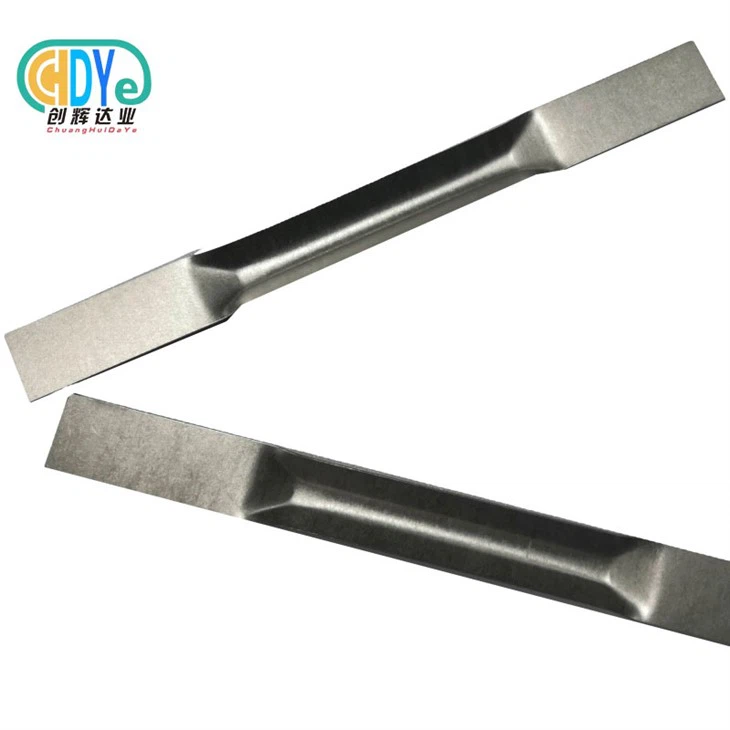
Flexibility in manufacturing allows application customization. Different electrolytic cell designs can use plates, meshes, tubes, rods, wires, and discs. Detailed technical drawings and requirements enable custom production of unique geometries.
Installation, Maintenance, and Troubleshooting Best Practices
Electrochemical systems function best and last longest when installed and maintained properly. These methods reduce operational disturbances and maintain product quality.
Installation Workflow and Safety Procedures
Pre-installation examinations check anode quality and dimensions per requirements. Coating integrity, surface homogeneity, and mechanical damage during shipment or storage should be visually checked. Electrical continuity testing checks connections and detects faults before system startup.
Installation safety protocols protect personnel and equipment. Avoid coating damage and preserve anode integrity with proper handling. Installation tools should have non-metallic parts to prevent surface contamination and mechanical damage during positioning and connection.
Maintenance Guidelines and Preventive Care
Routine inspections detect flaws before they affect system performance. Visual inspections should check coating, connection, and odd wear patterns. Electrical measures like voltage and current distribution assist in discovering issues and optimizing operations.
Cleaning techniques protect coating layers and preserve anode surface activity. Mechanical cleaning gently eliminates deposits and impurities without damaging the catalytic surface. Chemical cleaning with appropriate solutions can restore surface activity when mechanical approaches fail.
Troubleshooting Common Operational Issues
Voltage rises often imply coating deterioration or surface contamination. Operating conditions, electrolyte quality, and current distribution patterns are systematically assessed to determine root causes and corrective actions. Voltage trend documentation aids predictive maintenance and replacement.
Current distribution inconsistencies indicate mechanical or electrical issues. Hot patches in thermal imaging indicate poor electrical contact or localized deterioration. Condition-specific corrections may involve connection maintenance, current distribution optimization, or partial anode replacement.
Company Introduction and Product Services
Rare metal manufacturing expert Shaanxi Chuanghui Daye Metal Material Co., Ltd. delivers over 30 years of experience to the electrochemical industry. We provide superior titanium electrode solutions from Baoji High-tech Development Zone, China's "Titanium Capital," which has excellent infrastructure and technical resources.
Manufacturing Capabilities and Quality Assurance
We have titanium-specific melting, forging, rolling, and precision machining equipment in our production facilities. Specialized coating application techniques generate homogeneous, high-performance surfaces, while electron beam furnaces purify substrate materials. ISO 9001:2015 accreditation ensures tight quality control throughout production.
Quality management includes raw material inspection, melting, forging, machining, and final inspection. Every product has meticulous traceability documentation, including material certifications and performance test results. This methodical technique provides product quality and reliability in demanding industrial applications.
Customization and Technical Support
We make unique electrode assemblies for specific applications. Engineers work with clients to find the best solutions based on electrolyte conditions, current density, and geometry. Manufacturing flexibility supports prototype development, small-batch production, and large-scale supply agreements.
Beyond product delivery, technical support includes installation, performance enhancement, and troubleshooting. Our skilled engineers collaborate with clients throughout the product lifecycle to enhance system efficiency and operational reliability.
Conclusion
Modern saltwater electrolysis processes require high-efficiency titanium anode assemblies for higher performance, extended service life, and reliable operation in many industrial applications. High-purity titanium substrates and innovative coating methods create durable electrochemical systems that can resist demanding working environments while maximizing current efficiency and energy efficiency. Selection parameters that prioritize coating quality, substrate specifications, and supplier capabilities maximize performance and cost-effectiveness. Professional installation, systematic maintenance, and proactive troubleshooting improve reliability and service life.
FAQ
Q: What is the expected lifespan of titanium anodes under standard operating conditions?
A: High-quality titanium electrodes with mixed metal oxide coatings typically demonstrate operational lifespans of 10-15 years under standard brine electrolysis conditions. Proper operating parameters, regular maintenance, and appropriate electrolyte quality can extend service life significantly. The reusable substrate design allows for recoating services, further extending the economic value of the initial investment.
Q: How do titanium anodes compare with mixed metal oxide variants in terms of efficiency?
A: Titanium substrates coated with mixed metal oxide layers combine the corrosion resistance of titanium with the catalytic activity of specialized coating formulations. This combination delivers superior performance compared to alternative electrode materials, maintaining lower operating voltages and higher current efficiencies throughout extended service periods. The stable electrochemical output ensures consistent product quality and reduced energy consumption.
Q: Are customization options available for specialized electrolysis environments?
A: Comprehensive customization capabilities include various shapes such as plates, meshes, tubes, rods, wires, and discs manufactured according to detailed engineering specifications. Coating formulations can be optimized for specific electrolyte conditions, operating temperatures, and current density requirements. Custom fabrication services support unique geometries and specialized applications across diverse industrial sectors.
Partner with Chuanghui Daye for Superior Titanium Anode Assembly Solutions
Shaanxi Chuanghui Daye combines three decades of metallurgical expertise with advanced manufacturing capabilities to deliver world-class titanium anode assembly products for your brine electrolysis applications. Our ISO 9001:2015 certified facility in China's Titanium Capital produces high-purity Grade 1 and Grade 2 titanium substrates with specialized mixed metal oxide coatings, ensuring superior corrosion resistance and catalytic performance. As a trusted titanium anode assembly manufacturer, we offer comprehensive customization options, competitive factory-direct pricing, and reliable global supply capabilities. Contact our technical team at info@chdymetal.com to discuss your specific requirements and receive detailed product specifications tailored to your operational needs.
References
1. Chen, L., & Wang, M. (2023). Advanced Coating Technologies for Titanium Anodes in Industrial Electrolysis Applications. Journal of Electrochemical Engineering, 45(3), 178-195.
2. Thompson, R., et al. (2022). Performance Optimization of Mixed Metal Oxide Coated Titanium Electrodes in Brine Electrolysis Systems. Industrial Electrochemistry Review, 38(7), 412-428.
3. Martinez, S., & Liu, H. (2024). Corrosion Resistance and Service Life Analysis of Titanium Anode Assemblies in Chlor-Alkali Production. Materials Science and Electrochemistry, 67(2), 89-104.
4. Anderson, K., et al. (2023). Economic Analysis of Titanium Electrode Technologies in Large-Scale Water Treatment Applications. Water Treatment Technology Quarterly, 29(4), 225-241.
5. Wilson, P., & Zhang, Y. (2022). Electrochemical Characterization of Ruthenium-Iridium Oxide Coated Titanium Anodes for Seawater Electrolysis. Marine Engineering and Technology, 51(6), 334-349.
6. Brown, J., et al. (2024). Maintenance Protocols and Troubleshooting Strategies for Industrial Titanium Anode Systems. Process Engineering and Maintenance, 42(1), 56-72.
Learn about our latest products and discounts through SMS or email